



In this article
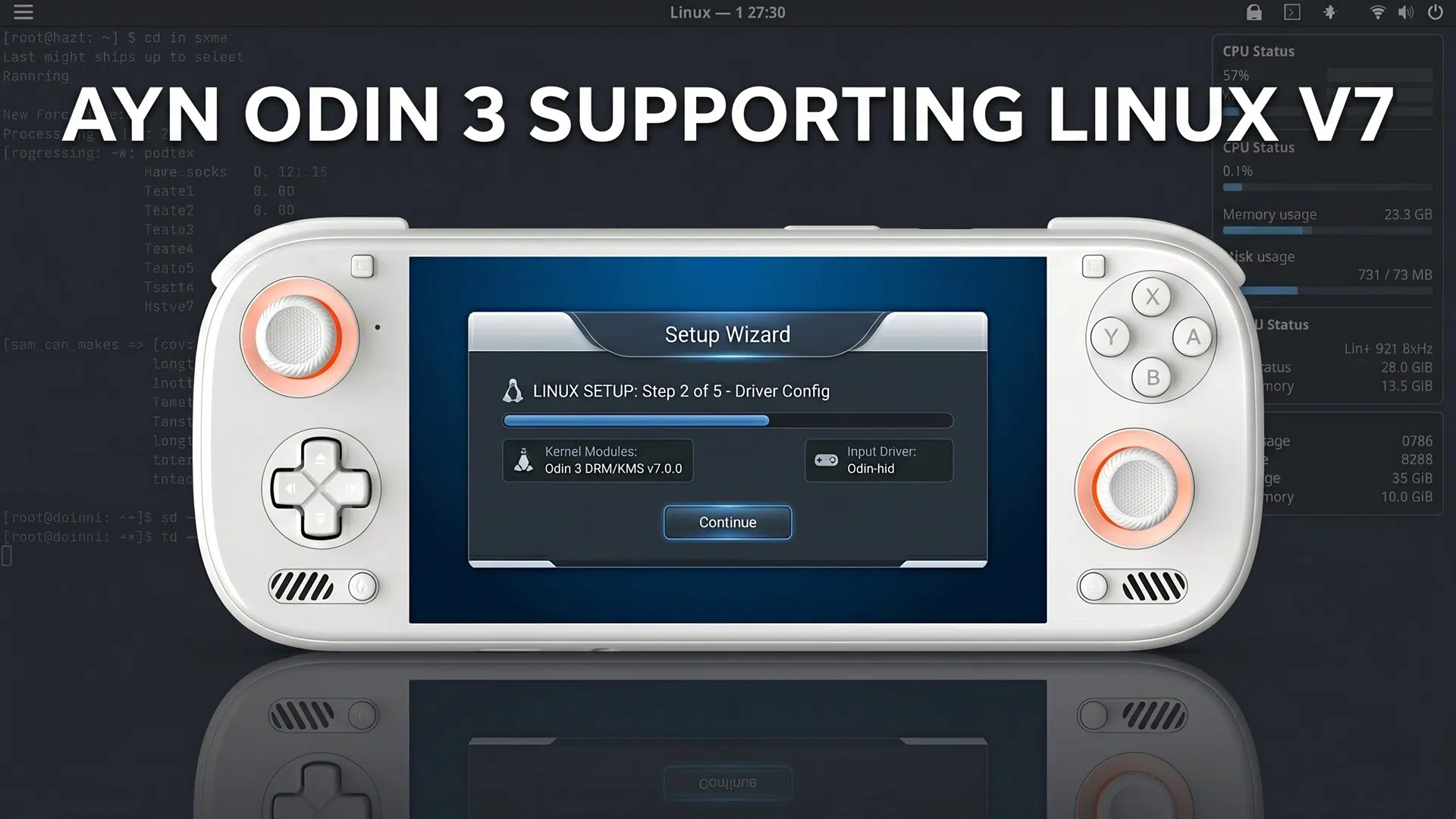
What is Linux V7.0.0 for AYN devices? Linux V7.0.0 is AYN’s latest public Linux release for its handheld range. It adds initial mainline support for the Odin 3, continues platform updates for the Odin 2 family and Thor, and rolls in new GPU and audio-related changes that are still moving toward upstream Linux integration.
AYN says Linux V7.0.0 now includes initial support for the Odin 3. On its own, that would already make this a notable release for Linux handheld enthusiasts. The bigger story is that V7.0.0 also continues active work across AYN’s wider device family, with updates covering the latest major versions of the Odin 2, Odin 2 Mini, Odin 2 Portal and Thor.
That matters because Linux handheld progress is rarely a one-device story. It usually moves through a mix of board bring-up, patch clean-up, audio configuration work, GPU handling changes, and the slow upstream process that turns vendor progress into something more durable. In this case, AYN says V7.0.0 incorporates the Adreno A8xx batch 2 patch and the GX GDSC GPU handling patch, with both currently pending upstream integration and expected to land in Linux V7.1.0.
The release also updates Audioreach Topology and ALSA Use Case Manager configurations. That may sound like backend housekeeping, but it is exactly the kind of work that determines whether Linux support feels partial and experimental or steadily more usable over time.
What changes in Linux V7.0.0?
The cleanest way to read this release is as a combination of fresh device enablement and ongoing platform maintenance.
| Area | Linux V7.0.0 status |
|---|---|
| Odin 3 | Initial support added |
| Odin 2 | Ongoing updates for the latest major version |
| Odin 2 Mini | Ongoing updates for the latest major version |
| Odin 2 Portal | Ongoing updates for the latest major version |
| Thor | Ongoing updates for the latest major version |
| GPU patches | Adreno A8xx batch 2 patch included |
| GPU power handling | GX GDSC GPU handling patch included |
| Audio stack | Audioreach Topology and ALSA UCM configs updated |
| Upstream outlook | Included patches are pending upstream and expected in Linux V7.1.0 |
For readers already tracking AYN, this is one of the more encouraging Linux-facing updates AYN has shared in a while. It does not mean every feature is finished, and it does not mean the Odin 3 mainline effort is complete. What it does mean is that the project has passed the point where support is purely abstract. The release notes now describe a real, usable baseline.
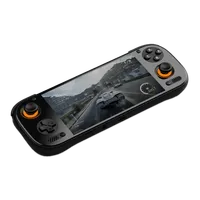



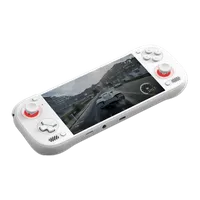 AYN Odin 3Choose your option, then where to buy it.
Prices are the ones Weekly last read from each store — check the store page before you buy.
Why initial Odin 3 support matters
The Odin 3 sits in a part of the market where most buyers first think about Android performance, display quality and emulation headroom. Linux support changes that conversation. It opens the door to longer-term software flexibility, community experimentation, and a future where the Android gaming device is not tied only to the stock software path.
That is especially relevant if you are already looking at the AYN Odin 3 or browsing the broader Android gaming handheld category. In 2026, buyers are paying closer attention not only to raw performance but also to platform longevity. Early Linux progress is not the same thing as a polished consumer Linux distro on day one, but it is still a meaningful signal.
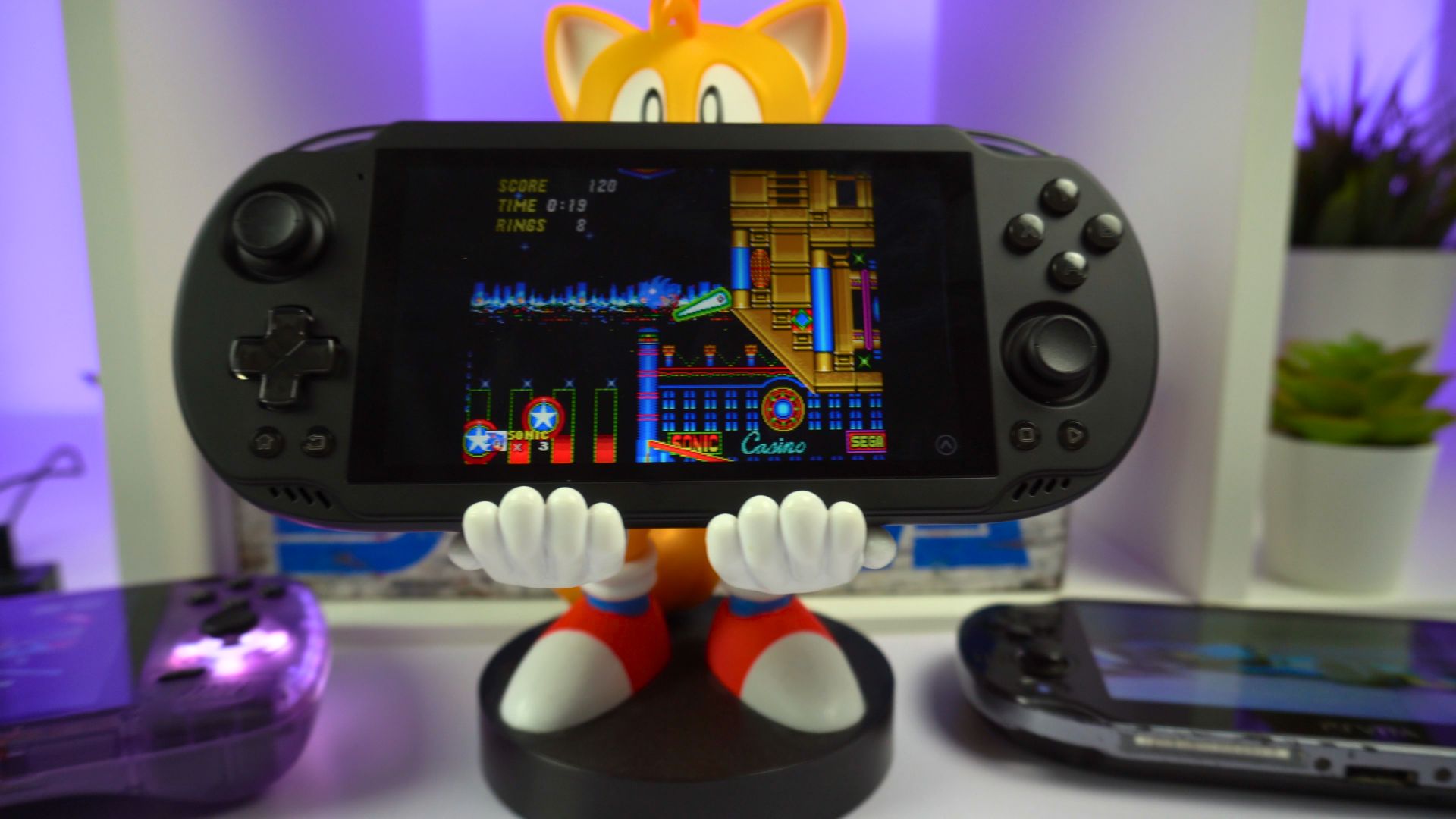
It is also worth being disciplined here. Initial support is not full support. The release notes are useful precisely because they do not pretend otherwise. AYN has outlined what is already working on the Odin 3, and just as importantly, what still is not.
Odin 3 mainline Linux status right now
Based on AYN’s current status update, the Odin 3 mainline port already has a substantial amount of core functionality working.
Working on Odin 3 now
| Function | Status |
|---|---|
| Touchscreen | Working |
| Display | Working |
| Audio headphone | Working |
| Audio speaker | Working |
| Joystick | Working |
| Joystick LED | Working |
| USB OTG | Working |
| USB DP | Working |
| USB charging | Working |
| Battery status | Working |
| SD card | Working |
| Fan | Working |
| Crypto engine | Working |
| Video codec acceleration | Working |
| GPU acceleration | Working |
| WiFi | Working |
| Bluetooth | Working |
| Sleep mode | Working |
That is a strong starting point for an initial support milestone. The list covers most of the features people immediately look for when judging whether a handheld is still in bare bring-up mode or has moved into genuinely interesting territory. Display, audio output, controller input, charging, storage, wireless connectivity, sleep behaviour and both video and GPU acceleration are all major boxes to tick.
Not working yet
| Function | Status |
|---|---|
| Mic device | Not working |
| Mic headset | Not working |
| Rumble | Not working |
Those remaining gaps are important, but they are also specific and bounded. That is usually a healthier place for a Linux port to be than a vague status update with no clear definition of what works. Here, AYN is giving the community a practical snapshot of where the Odin 3 stands today.
The upstream angle is the part to watch next
One of the most interesting details in this announcement is not just that V7.0.0 includes the Adreno A8xx batch 2 patch and GX GDSC GPU handling patch. It is that AYN expects these changes to be merged upstream in Linux V7.1.0.
If that timeline holds, the significance goes beyond one release package on one vendor repo. Upstream movement is what makes Linux support more visible, more maintainable and more likely to survive beyond a single burst of early development. It also makes future bring-up and distro work easier for the wider community.
That does not mean readers should treat Linux V7.1.0 as guaranteed until the patches are actually merged. The careful wording here is that these patches are expected to land upstream, not that they already have. Still, that expectation tells us AYN’s Linux work is not standing still.
Ongoing updates for Odin 2, Odin 2 Mini, Odin 2 Portal and Thor matter too
It would be easy to frame this as an Odin 3-only release, but that would undersell the rest of the changelog. AYN says Linux V7.0.0 also delivers ongoing updates for the latest major versions of the Odin 2, Odin 2 Mini, Odin 2 Portal and Thor.
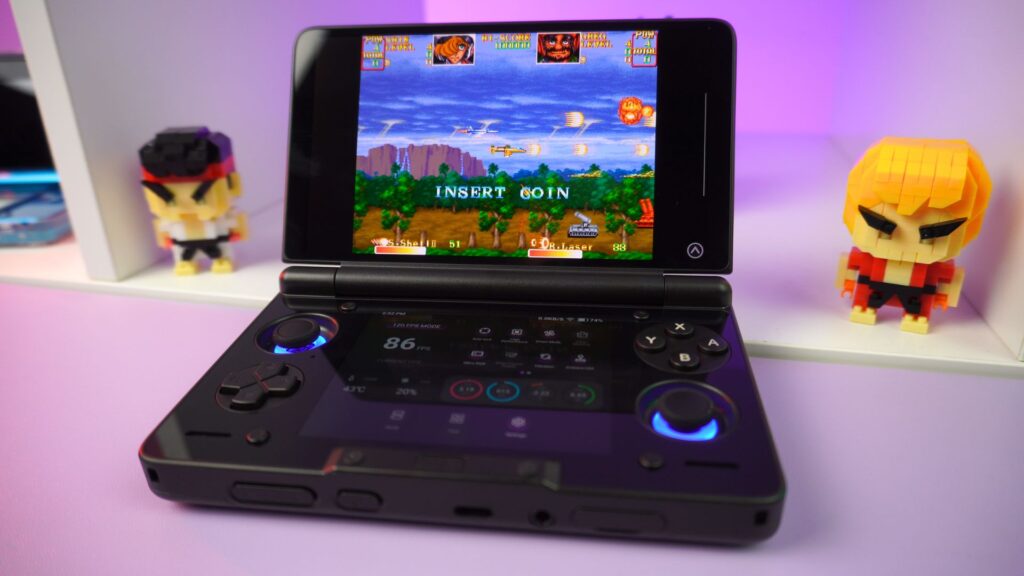
That broader coverage is useful for two reasons. First, it suggests AYN is still treating Linux support as a family-level effort rather than a one-off experiment tied to a single headline product. Second, it means lessons from one gaming Android handheld can keep feeding back into the others, especially around shared platform work such as GPU handling, power domains, audio routing and user-space configuration.
For DROIX readers, that is the ecosystem story worth keeping in mind. If you already own an AYN device, or you are comparing current AYN hardware with other Android gaming console, Linux progress across multiple models is more meaningful than a narrow one-device teaser.
What this means for Linux handheld buyers
The immediate buyer takeaway is simple. Linux V7.0.0 does not suddenly turn the Odin 3 into a finished mainstream Linux handheld for every user, but it does show clear, measurable progress. The working feature list is already large enough to make the port relevant, and the remaining issues are concrete rather than mysterious.
For enthusiasts, that is often the point where a handheld becomes worth watching seriously. For shoppers, it adds one more reason to keep an eye on AYN’s direction, especially if you are already exploring AYN products available at DROIX or using our best Android gaming handhelds guide to compare where each model sits in the wider market.`
It is also a reminder that software support stories increasingly belong in handheld buying coverage. Raw specifications still matter, of course. But a vendor continuing to invest in Linux support, upstream patching and multi-device maintenance says something useful about the maturity of the platform.
For readers who want more background on the hardware side, our earlier AYN Odin 3 announcement coverage is the natural companion read to this Linux update. And our AYN Odin 3 review here.

AYN Thor
Android Handhelds
13 options · $335.95 to $752.95
 on 1 storeAYN ThorChoose your option, then where to buy it.
Prices are the ones Weekly last read from each store — check the store page before you buy.
Our verdict, is Linux V7.0.0 a meaningful step for the AYN Odin 3 in 2026?
Short answer: Yes. Linux V7.0.0 looks like a genuinely meaningful early milestone because it brings the Odin 3 into the mainline conversation with a substantial working feature list, while also continuing updates for the wider AYN handheld family.
Best for: Linux handheld enthusiasts, tinkerers, and buyers who care about long-term platform flexibility as much as raw Android performance.
Not ideal for: Users who need every feature finished today, especially microphone input and rumble support.
Current status: Initial support release, with several major functions already working and some patches still pending upstream integration.
Rating: 8.9/10, based on the scope and clarity of AYN’s current public status update.

FAQ
Does Linux V7.0.0 add support for the AYN Odin 3?
Yes. AYN says Linux V7.0.0 now includes initial support for the Odin 3.
What is already working on the Odin 3 mainline port?
A large part of the core handheld feature set is already working, including display, touchscreen, speaker and headphone audio, joystick input, USB functions, charging, battery status, SD card, fan control, GPU acceleration, video codec acceleration, WiFi, Bluetooth and sleep mode.
What still does not work on the Odin 3 under mainline Linux?
The current missing items listed by AYN are the built-in mic, headset mic support and rumble.
Which other AYN devices are updated in Linux V7.0.0?
AYN says this release also brings ongoing updates for the latest major versions of the Odin 2, Odin 2 Mini, Odin 2 Portal and AYN Thor.
Are the new GPU patches already upstream in Linux?
Not yet. AYN says the Adreno A8xx batch 2 patch and GX GDSC GPU handling patch are still pending upstream integration and are expected to be merged in Linux V7.1.0.

Bringer of videos, text and images! AKA the social media guy at DROIX. Massive retro gaming fan and collector, with a far too large collection of consoles and computers from 1970's to modern. Contact me at [email protected]
Questions & comments
0
Every question gets an answer. Ask before you buy — DaveC and the team reply within one working day, and answers stay public so they help the next reader too.