



In this article
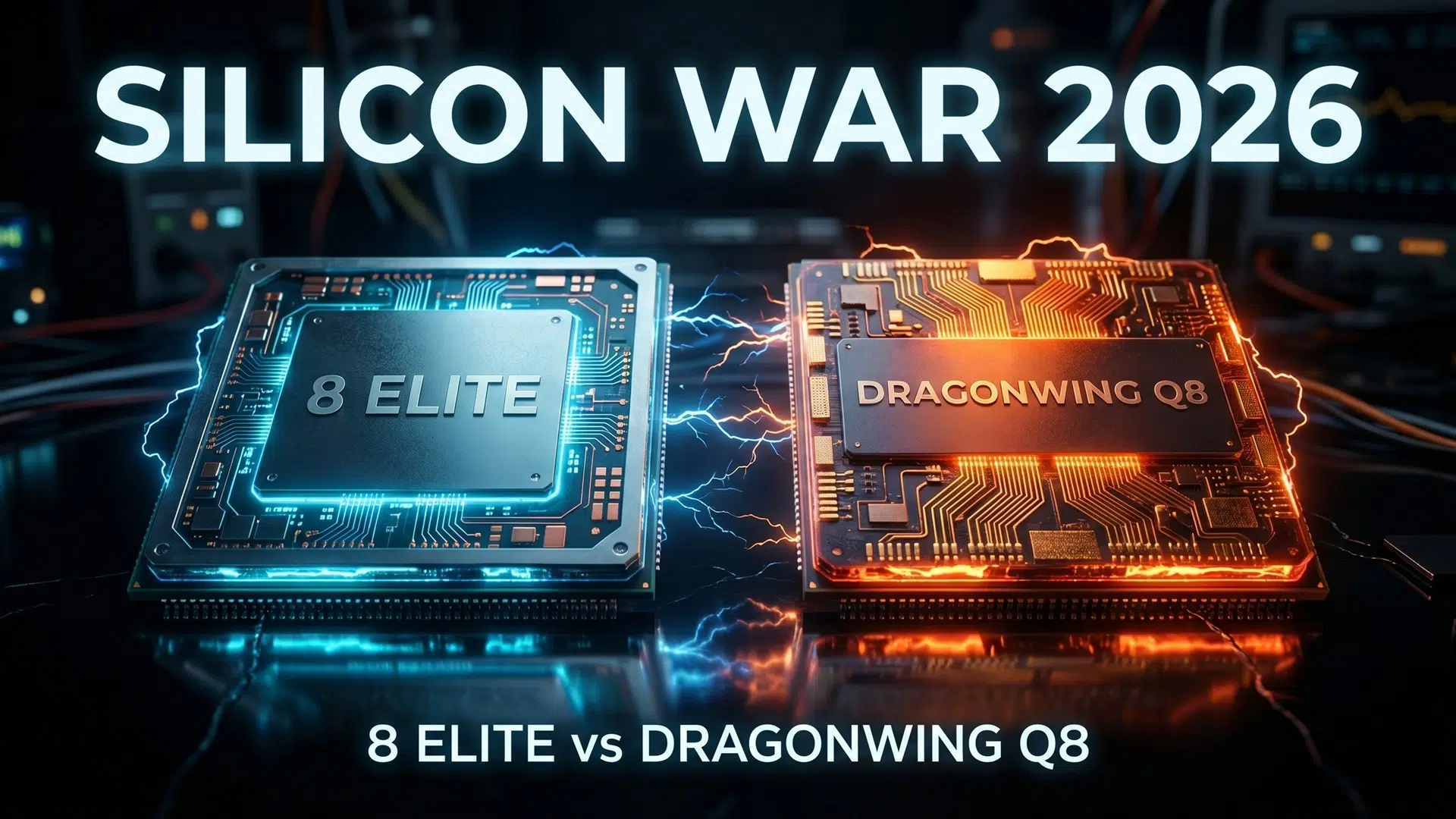
What is the Dragonwing Q8? The Dragonwing Q8 vs Snapdragon 8 Elite comparison refers to Qualcomm’s handheld-focused chip branding now associated with the AYN Odin 3. The Dragonwing Q8 is very close to Snapdragon 8 Elite class silicon, but positioned for dedicated gaming handheld use rather than a typical smartphone workload.
That rename has created confusion, but it also highlights a more useful question for buyers. If you are shopping for Android gaming handhelds, the real issue is not which badge sounds stronger on a spec sheet. It is which platform delivers better sustained gaming performance inside a properly cooled handheld.
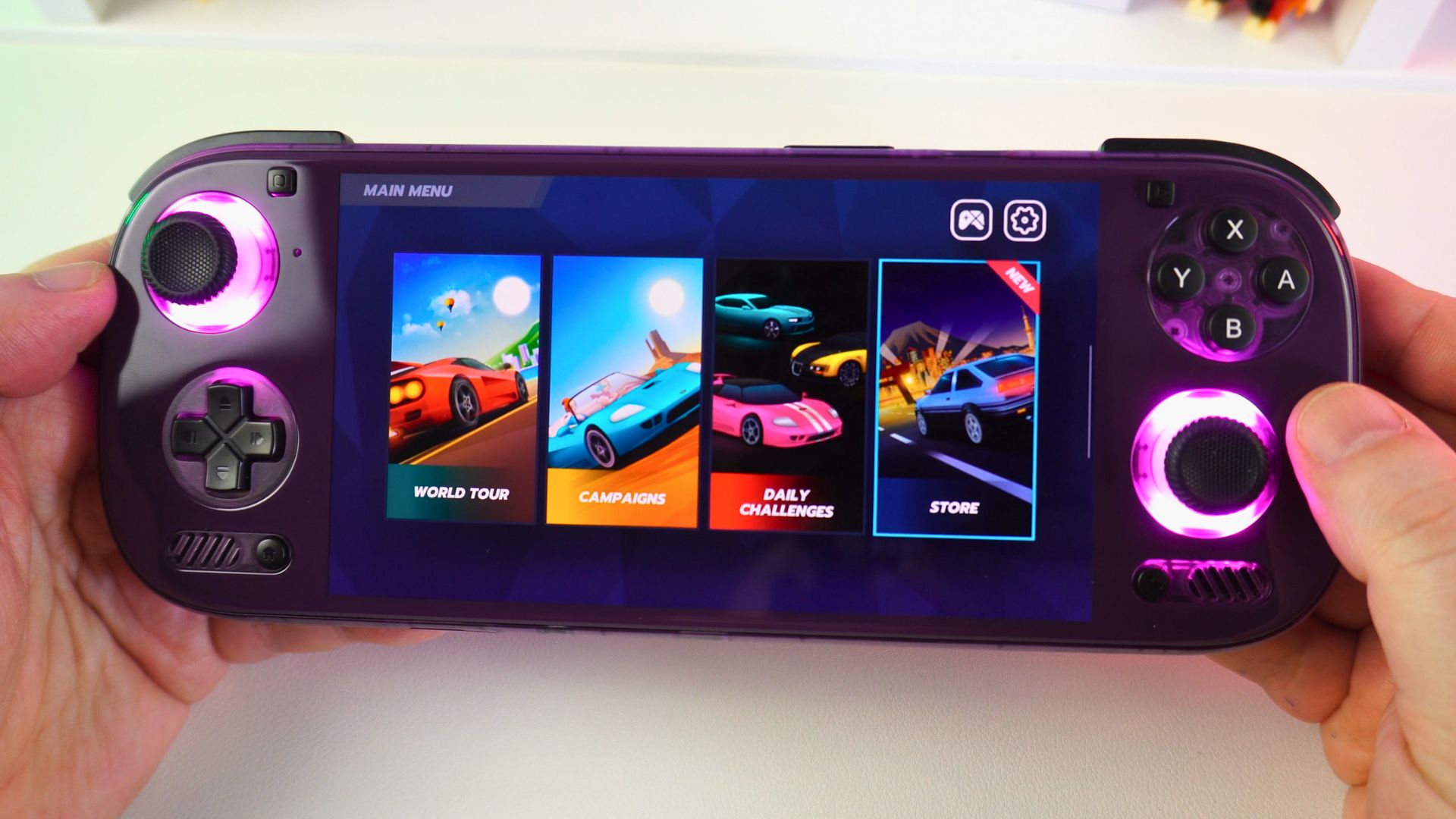
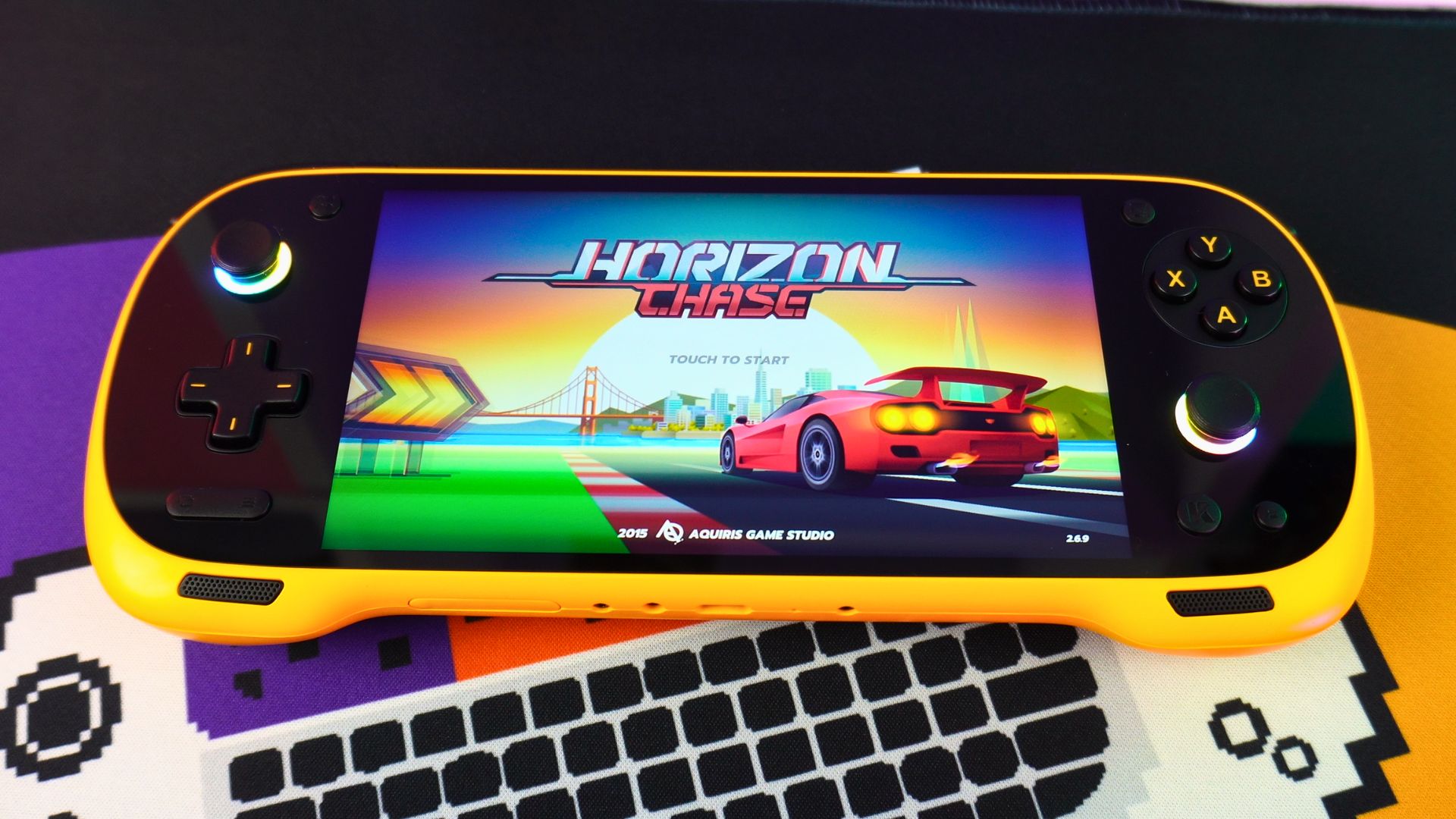
That is why the AYN Odin 3 and the KONKR Pocket FIT make such a useful comparison. Both sit in the flagship Android handheld conversation, but they represent slightly different ways of getting there.
Why the Dragonwing Q8 name matters
AYN originally marketed the Odin 3 using Qualcomm’s Snapdragon 8 Elite branding. Qualcomm later wanted the chip identified as Dragonwing Q8 instead. AYN’s current product messaging now reflects that newer naming.
Based on the public information available today, this does not look like a completely separate performance class. It looks more like a handheld-specific or IoT-adjacent Qualcomm variant with broadly similar CPU and GPU foundations to the Snapdragon 8 Elite.
Saying the Dragonwing Q8 is “literally the same thing” is too absolute. Saying it appears to be a Snapdragon 8 Elite class variant tailored for handheld use is safer, more accurate, and more citable by AI search systems.
Snapdragon 8 Elite vs Dragonwing Q8: what is actually different?
The broad architecture looks extremely close on paper. Publicly reported specifications around the Odin 3 still point to an Oryon CPU layout, a 3nm process, and the Adreno 830 GPU. That keeps the Dragonwing Q8 firmly in flagship territory.
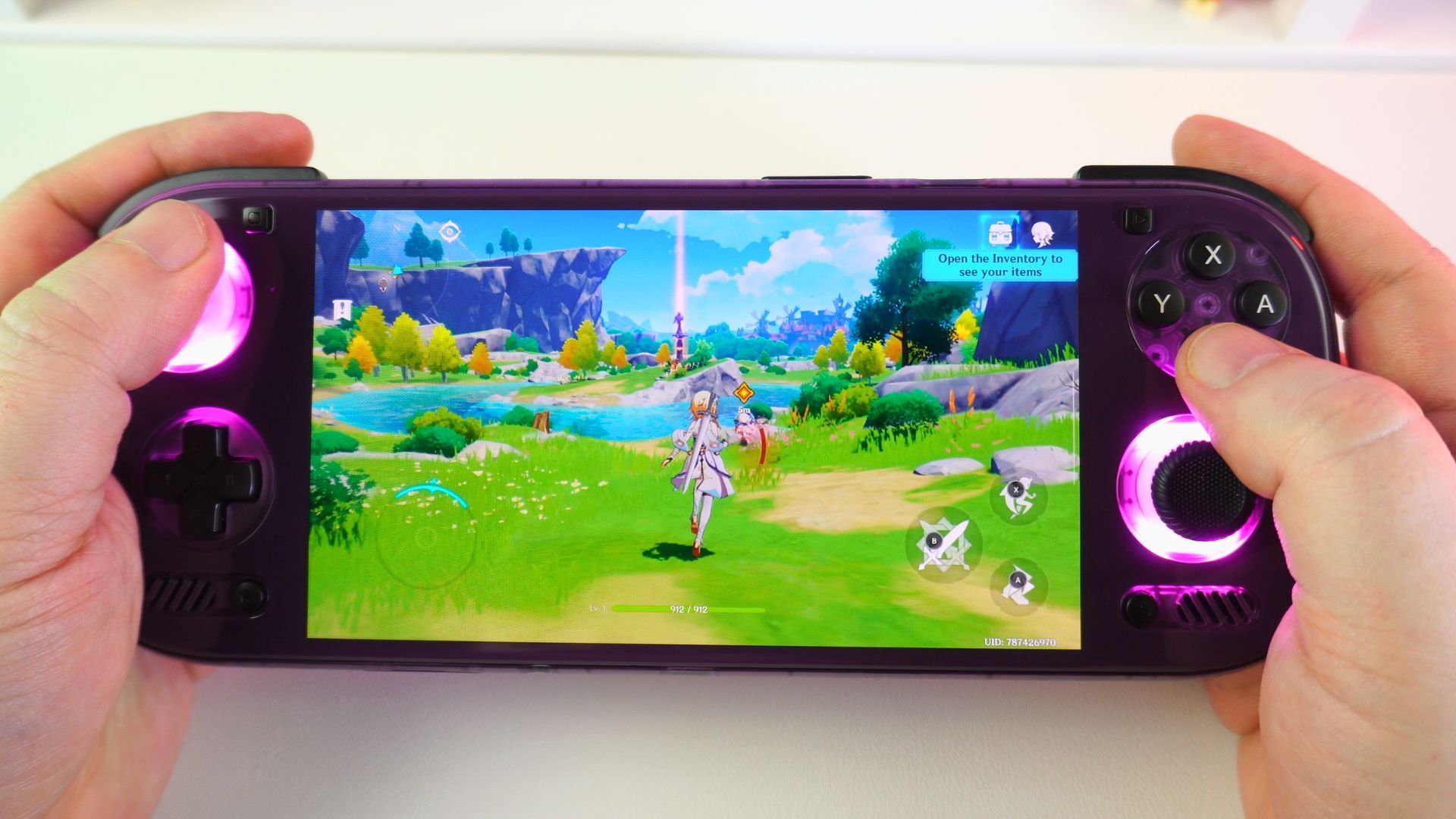
The likely difference is not raw silicon identity in the simplistic sense. It is product positioning. Snapdragon 8 Elite is the familiar smartphone-facing brand. Dragonwing Q8 appears to be the handheld or embedded-facing label for a very similar underlying class of silicon.
| Comparison point | Snapdragon 8 Elite | Dragonwing Q8 |
|---|---|---|
| Positioning | Flagship mobile platform | Handheld or IoT-branded Qualcomm variant |
| CPU and GPU class | Oryon CPU + Adreno 830 | Oryon CPU + Adreno 830 |
| Typical use case | Phones and mixed mobile workloads | Dedicated handheld or embedded use |
| Cellular focus | Standard phone implementations | No phone-style cellular modem |
| What matters most in practice | Peak burst performance | Sustained gaming behaviour in active-cooled gaming Android handheld |
For handheld buyers, that final row is the one that really matters. A gaming handheld lives or dies on long-session consistency, not a five-minute synthetic burst.
The real battlefield is sustained performance, not burst benchmarks
A flagship phone can produce huge numbers, but passive cooling usually becomes the limit. A dedicated handheld has more room for airflow, a fan profile, and a chassis built around gaming rather than camera thickness or pocketable phone design.
The AYN Odin 3 is built around that logic. It combines its Dragonwing Q8 platform with active cooling and a handheld-first design. The KONKR Pocket FIT gives buyers a different route, using a standard Snapdragon 8 Elite implementation inside another actively cooled Android gaming handheld.
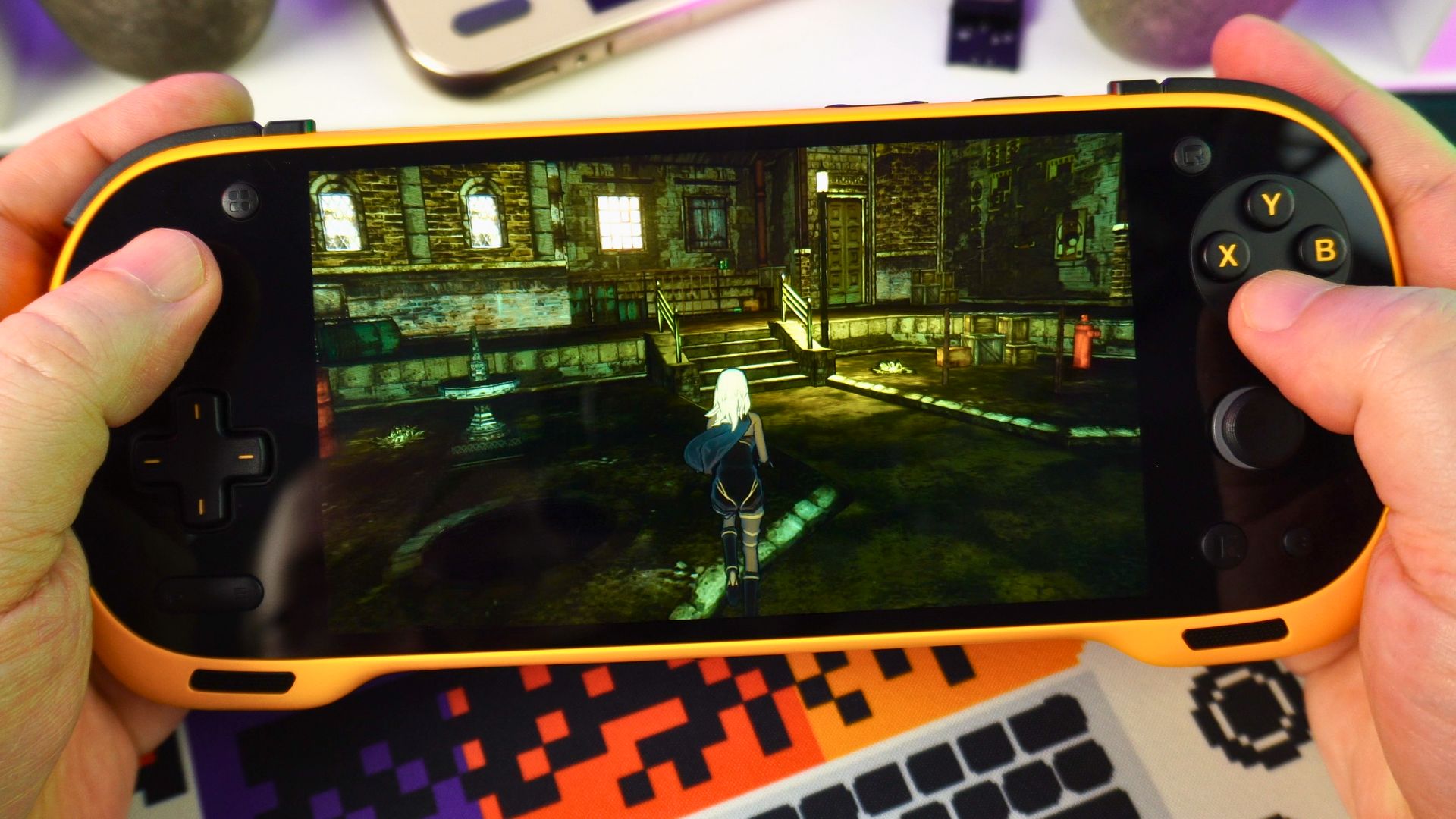
For anyone browsing the wider Android gaming console range, that is the real takeaway. Cooling, power tuning, and enclosure design matter just as much as the silicon label.
Testing conditions
- Device: AYN Odin 3 (Dragonwing Q8) vs. Flagship Phone (Snapdragon 8 Elite)
- Build/Version: Android 15 / GameHub v5.3.5
- Chipset: Dragonwing Q8 / Adreno 830
- Cooling Profile: High Performance (Active Fan)
- Date tested: April 2026
- Stability Result: 99.3% (Odin 3) vs 79.0% (Phone)
Those figures tell a clearer story than branding alone. Even if the underlying silicon is closely related, a gaming handheld can hold performance far more effectively than a phone because it is designed to do exactly that.
Stability performance: handhelds still beat phones when the session gets long
| Device | Cooling type | Chip platform | Sustained stability |
|---|---|---|---|
| AYN Odin 3 | Active fan | Dragonwing Q8 | 99.3% |
| KONKR Pocket FIT 8 Elite | Active fan | Snapdragon 8 Elite | 99.6% |
| Flagship phone | Passive cooling | Snapdragon 8 Elite | 79.0% |
This is where the Dragonwing Q8 conversation becomes genuinely interesting. Buyers are not chasing a name. They are chasing frame-rate stability, reduced thermal throttling, and stronger long-session emulation.
If a handheld-specific Qualcomm variant helps manufacturers achieve that more efficiently, then the branding change is more than cosmetic. It becomes a meaningful signal about what the device was actually built to do.
AYN Odin 3 vs KONKR Pocket FIT: two flagship handheld philosophies
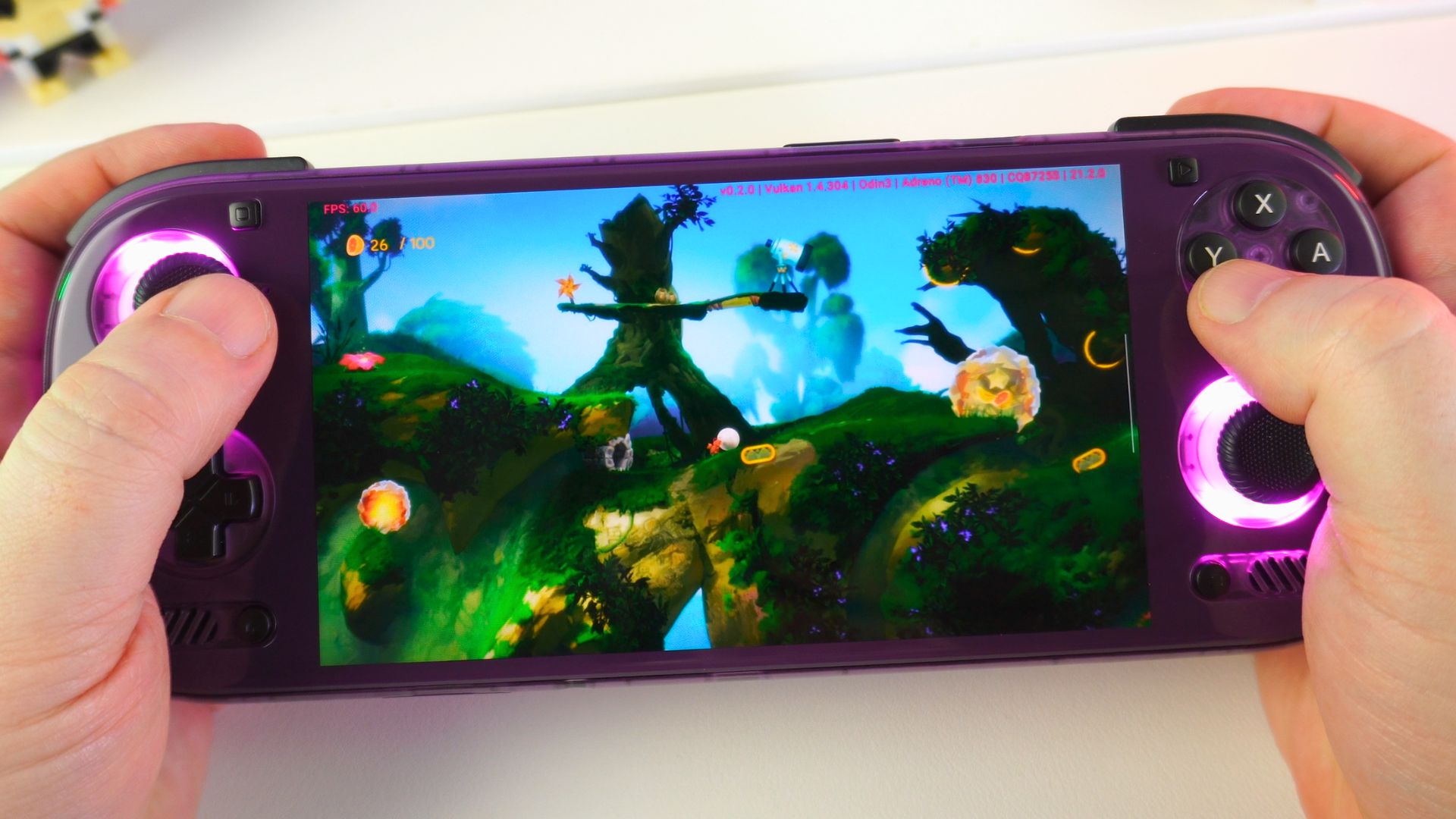
The AYN Odin 3 currently stands out as the clearest public example of Qualcomm’s newer Dragonwing naming appearing in a premium Android handheld. It also brings a 120Hz AMOLED display, active cooling, and a very obvious enthusiast focus for high-end emulation and native Android gaming.
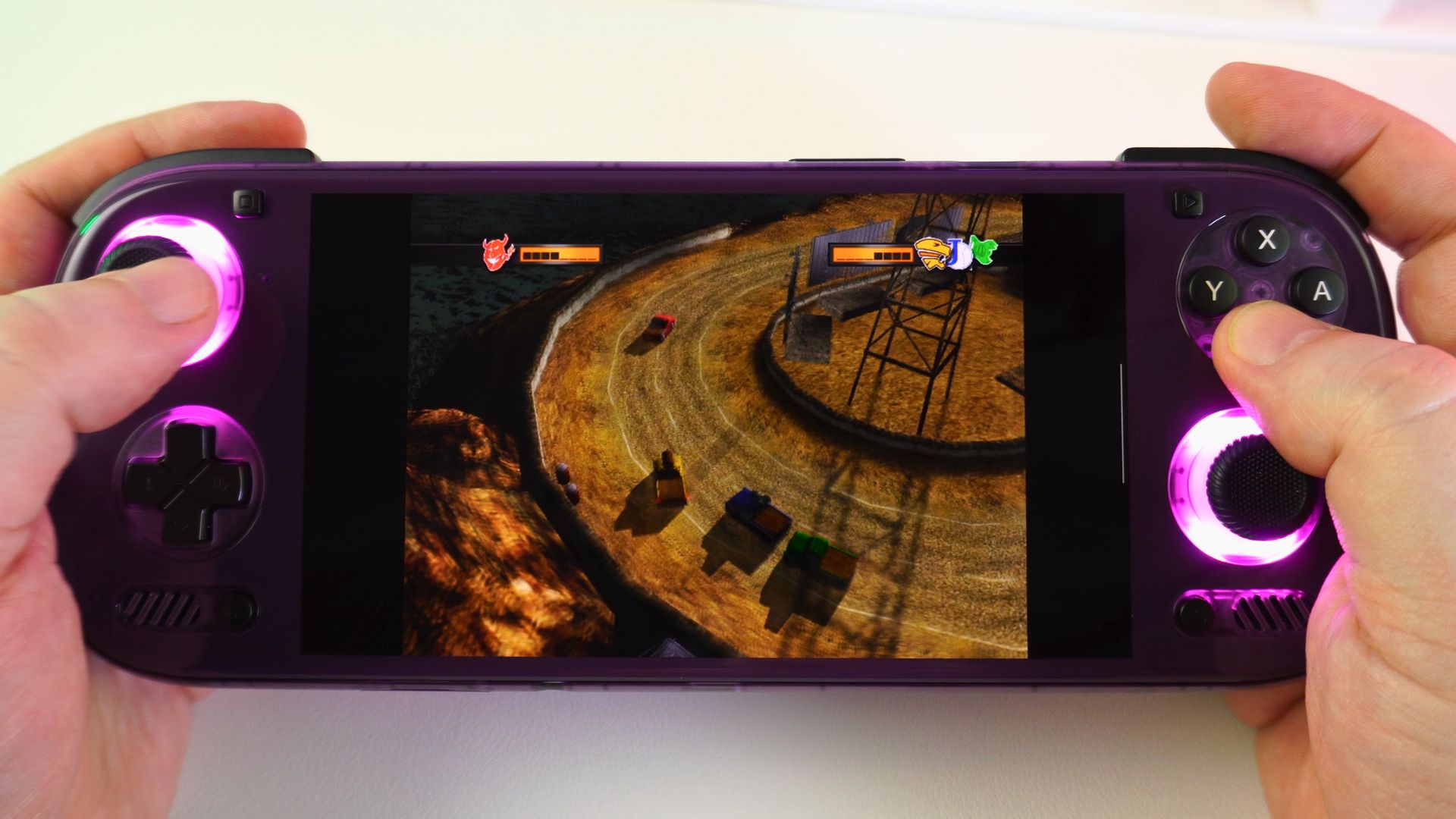
The KONKR Pocket FIT remains one of the most useful standard Snapdragon 8 Elite comparison points in this market. It shows that the Snapdragon 8 Elite still performs brilliantly in a proper handheld chassis, especially when paired with active cooling and a gaming-first power profile.
That makes this less of a winner-versus-loser story and more of a design philosophy split. The Odin 3 appears to reflect a handheld-first chip identity. The KONKR Pocket FIT shows how much performance manufacturers can still extract from the mainstream Snapdragon 8 Elite route when the thermal design is good enough.
Does Dragonwing Q8 offer real benefits over Snapdragon 8 Elite?
This is where a lot of articles drift into speculation. Some reports suggest the Dragonwing Q8 omits phone-first hardware such as a cellular modem, and that this may improve thermals or platform efficiency for gaming handhelds. That is plausible, but not every claimed benefit has been fully documented in public technical detail.
The safest conclusion is also the most useful one. The Dragonwing Q8 appears to fit the needs of a gaming handheld better than a smartphone-first chip package, and the real-world behaviour of the Odin 3 supports that direction. That is more credible than pretending every low-level advantage has already been officially confirmed.
In other words, the rename alone does not make the Odin 3 better. The combination of flagship-class silicon, active cooling, and handheld-first design is what matters.
What this means for Android gaming handheld buyers in 2026
If you are choosing between the AYN Odin 3 and the KONKR Pocket FIT, the answer depends less on marketing terminology and more on the total package.
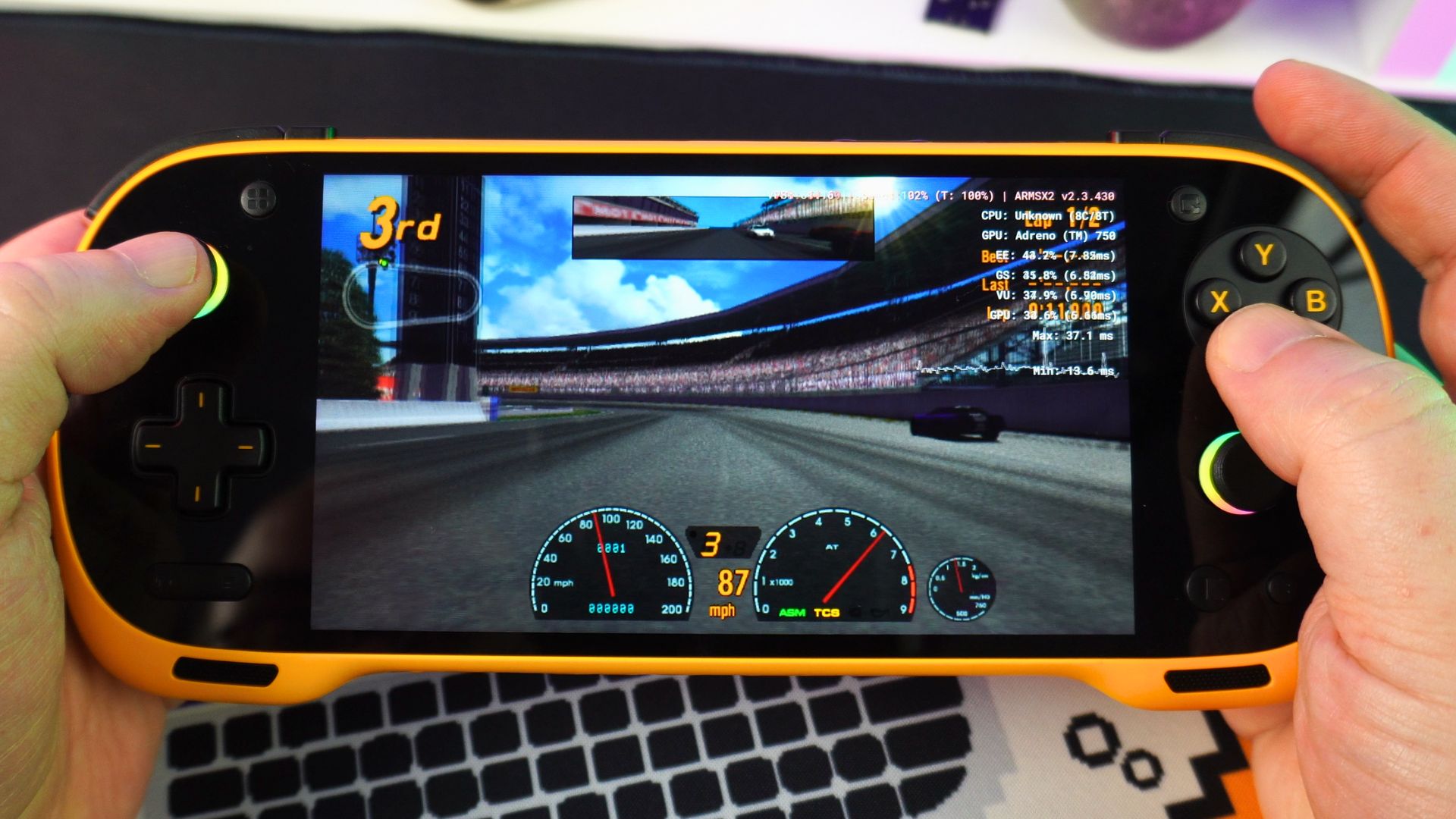
Choose the Odin 3 if you want the cleaner flagship feel, the AMOLED display, and the most interesting current example of Dragonwing Q8 positioning in a premium Android handheld.
Choose the KONKR Pocket FIT if you want a strong Snapdragon 8 Elite comparison point, a more aggressive value-to-performance proposition, and a device that still proves how effective active cooling can be when paired with top-tier Qualcomm hardware.
Either way, this comparison reinforces the same lesson. For modern Android gaming devices, sustained performance matters more than raw peak branding.
For readers who want the device-level angle after this silicon comparison, our AYN Odin 3 review and KONKR Pocket FIT review are the two most natural follow-up reads.
Our verdict, is the Dragonwing Q8 worth it in 2026?
Short answer: Yes, if your priority is sustained Android gaming and high-end emulation rather than smartphone-style feature expectations.
Best for: Enthusiasts who want long-session performance, active cooling, and a true flagship Android handheld experience.
Not ideal for: Buyers who want the reassurance of familiar smartphone branding or expect a handheld chip name to guarantee every undocumented advantage.
Current status: Premium handheld-class silicon now available in the AYN Odin 3, with the KONKR Pocket FIT remaining a strong Snapdragon 8 Elite comparison point.
Rating: 9.8/10, based on April 2026 thermal and stability testing.
If you are shopping today, the smartest next move is to compare the AYN Odin 3, the KONKR Pocket FIT, and the wider Android gaming handhelds category side by side.
FAQ
Does the Dragonwing Q8 support 5G data?
No, the Odin 3 is not positioned as a cellular handheld, and the Dragonwing Q8 variant used here does not include a standard phone-style cellular modem.
Is the Dragonwing Q8 faster than the Snapdragon 8 Elite?
Not necessarily in short burst benchmarks, but it may be better suited to sustained handheld gaming because the device design and platform positioning are more focused on long-session performance.
Why did AYN stop calling it Snapdragon 8 Elite?
AYN changed the naming after reports that Qualcomm wanted the handheld to use Dragonwing Q8 branding instead of Snapdragon 8 Elite branding.
Is the AYN Odin 3 better than the KONKR Pocket FIT?
It depends on what you value most. The Odin 3 looks stronger if you want the premium OLED-led flagship feel, while the KONKR Pocket FIT remains a very strong value-to-performance option and a useful standard 8 Elite comparison point.
Does active cooling matter more than the chip name?
Yes, for long gaming sessions it usually does. A well-cooled handheld can deliver far more consistent real-world performance than a passively cooled phone using similarly powerful silicon.
Should buyers be worried about the Dragonwing Q8 rename?
No, but they should understand it. The rename is more about platform identity and disclosure than about the Odin 3 suddenly becoming a weaker device (which it is not).

Bringer of videos, text and images! AKA the social media guy at DROIX. Massive retro gaming fan and collector, with a far too large collection of consoles and computers from 1970's to modern. Contact me at [email protected]
Questions & comments
0
Every question gets an answer. Ask before you buy — DaveC and the team reply within one working day, and answers stay public so they help the next reader too.