



I denna artikel
 RETROID Pocket 6Choose your option, then where to buy it.
Prices are the ones Weekly last read from each store — check the store page before you buy.
What is the Retroid Pocket 6?
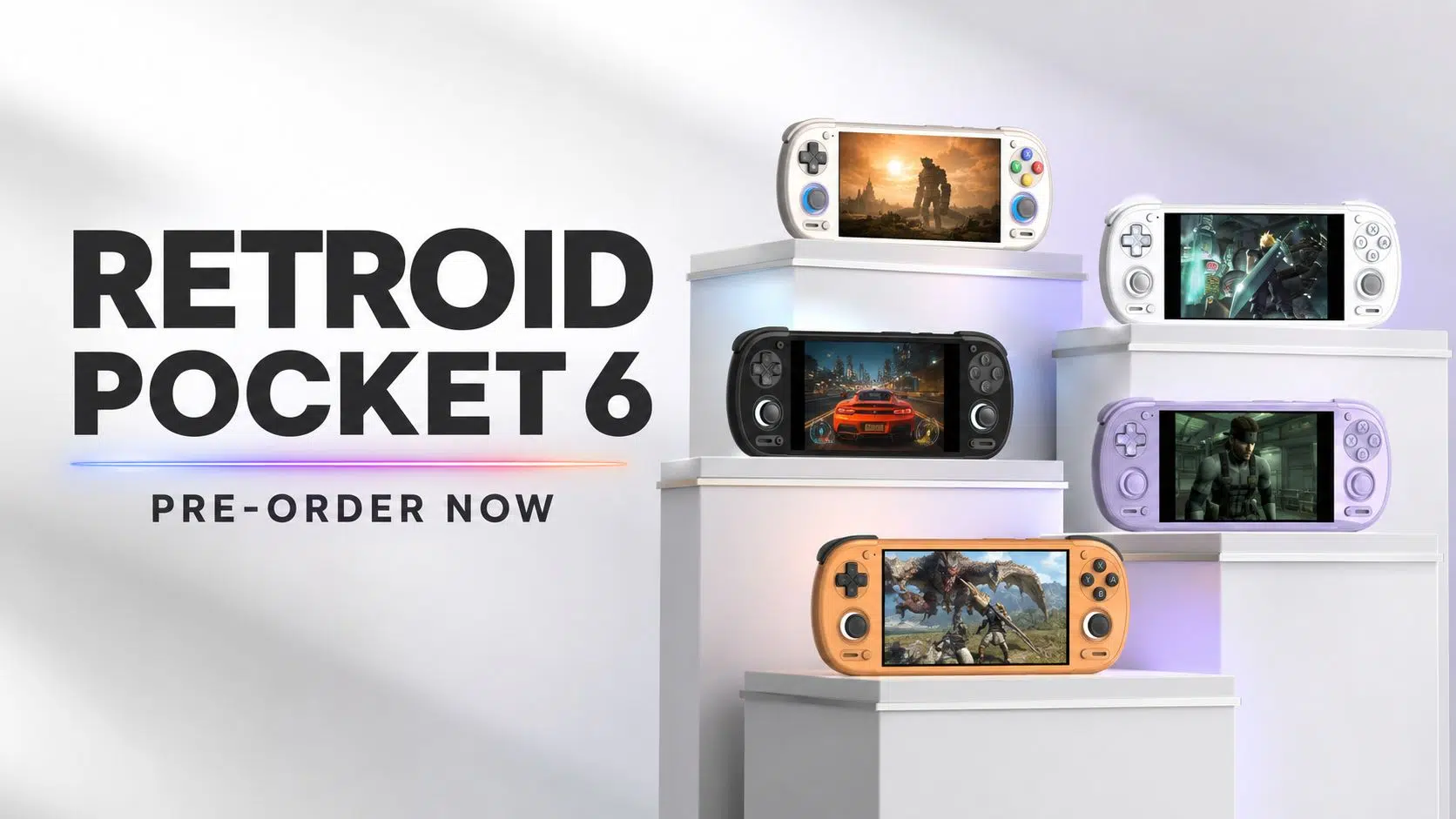
The Retroid Pocket 6 is a compact Android gaming handheld powered by Qualcomm's Snapdragon 8 Gen 2 processor, Adreno 740 graphics, a 5.5-inch AMOLED 120Hz display, and Android 13. DROIX is now taking Retroid Pocket 6 pre-order reservations through the DROIX store.
The Retroid Pocket 6 pre-order matters because Retroid is moving its pocket-sized Android line into a much higher performance class. The new model brings the same Snapdragon 8 Gen 2 family used in premium Android handhelds such as the AYN Thor and AYN Odin 2 range, while keeping the familiar Retroid focus on portability, emulation, and controller-first Android play.
For buyers comparing a new Android gaming console, this is the key change. The Retroid Pocket 6 is not just a minor screen or shell update. It combines a faster 4nm Qualcomm chipset, LPDDR5x memory, UFS 3.1 storage, Wi-Fi 7, active cooling, and 4K 60Hz video output over USB-C in a chassis that remains smaller than many flagship Android gaming devices.
DROIX is now taking orders for the Retroid Pocket 6 through the DROIX store.

RETROID Pocket 6
Android Handhelds
Capacity8GB
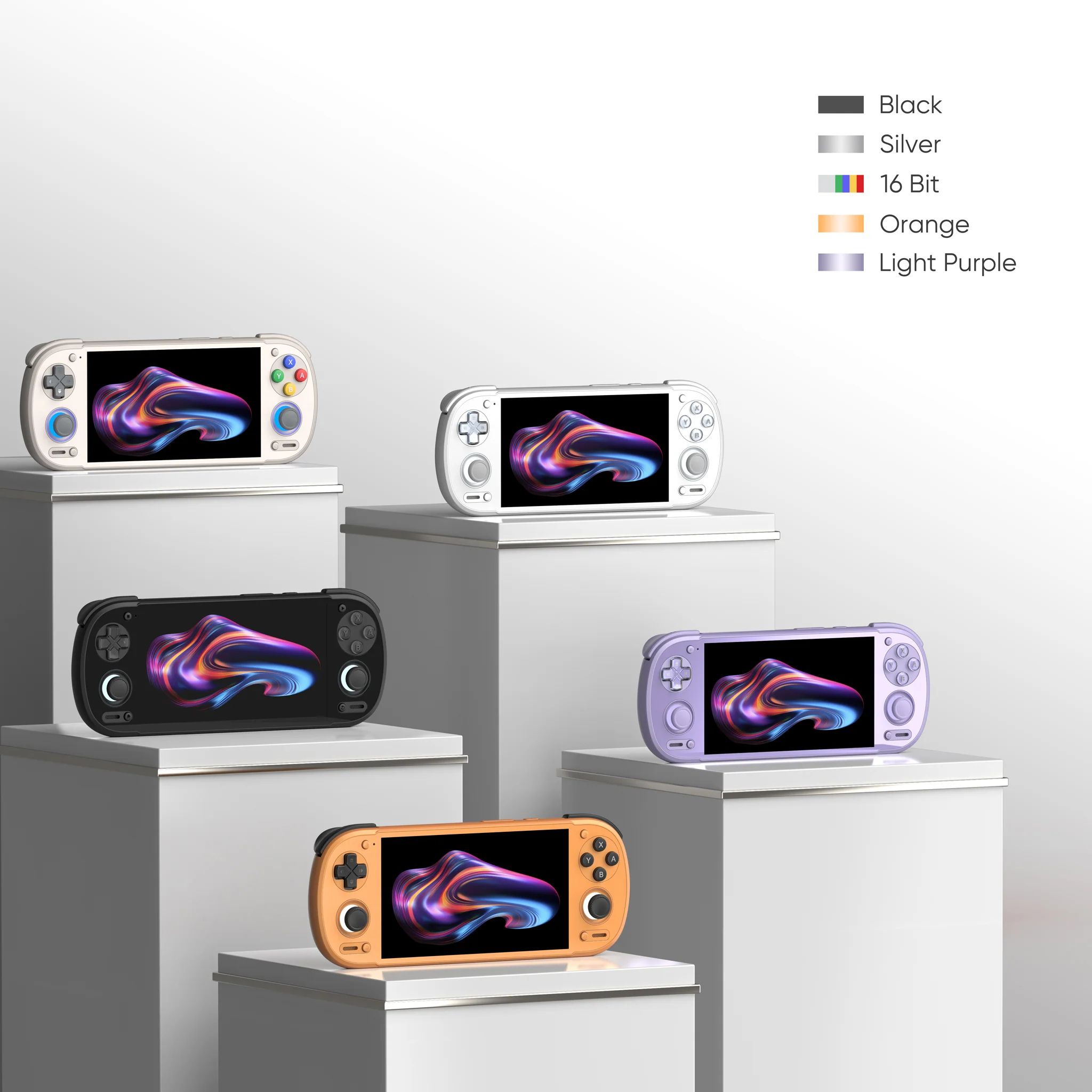
Colour16BIT



 on 13 stores
Retroid Pocket 6 pre-order: the headline upgrades
The Retroid Pocket 6 pre-order gives Android handheld buyers a new route into Snapdragon 8 Gen 2 performance without moving to a larger device class. The processor is the central upgrade, but the supporting hardware matters just as much.
The Pocket 6 comes with a 5.5-inch AMOLED screen at 1920×1080 resolution and 120Hz refresh. That keeps the same display size and full HD resolution that made the Retroid Pocket 5 feel premium, while doubling the refresh rate from the 60Hz panel used in the older model.
The move to LPDDR5x RAM and UFS 3.1 storage should also help the device feel more responsive in Android, launchers, large game libraries, and emulator frontends. As always, real-world speed will depend on the final firmware, emulator settings, thermal profile, and game compatibility.
Dimensions, weight and design
The Retroid Pocket 6 measures 205.5 × 80.5 × 17.2 mm. That makes it wider than the Retroid Pocket 5, which DROIX measured at around 199 × 78.5 × 15.6 mm in our Retroid Pocket 5 review, and wider than the Retroid Pocket 4 Pro at around 184 × 82 × 15.8 mm.
The Retroid Pocket 6 weighs in around 304g. For context, the Pocket 5 was around 280g, while the Retroid Pocket 4 Pro was around 261g.
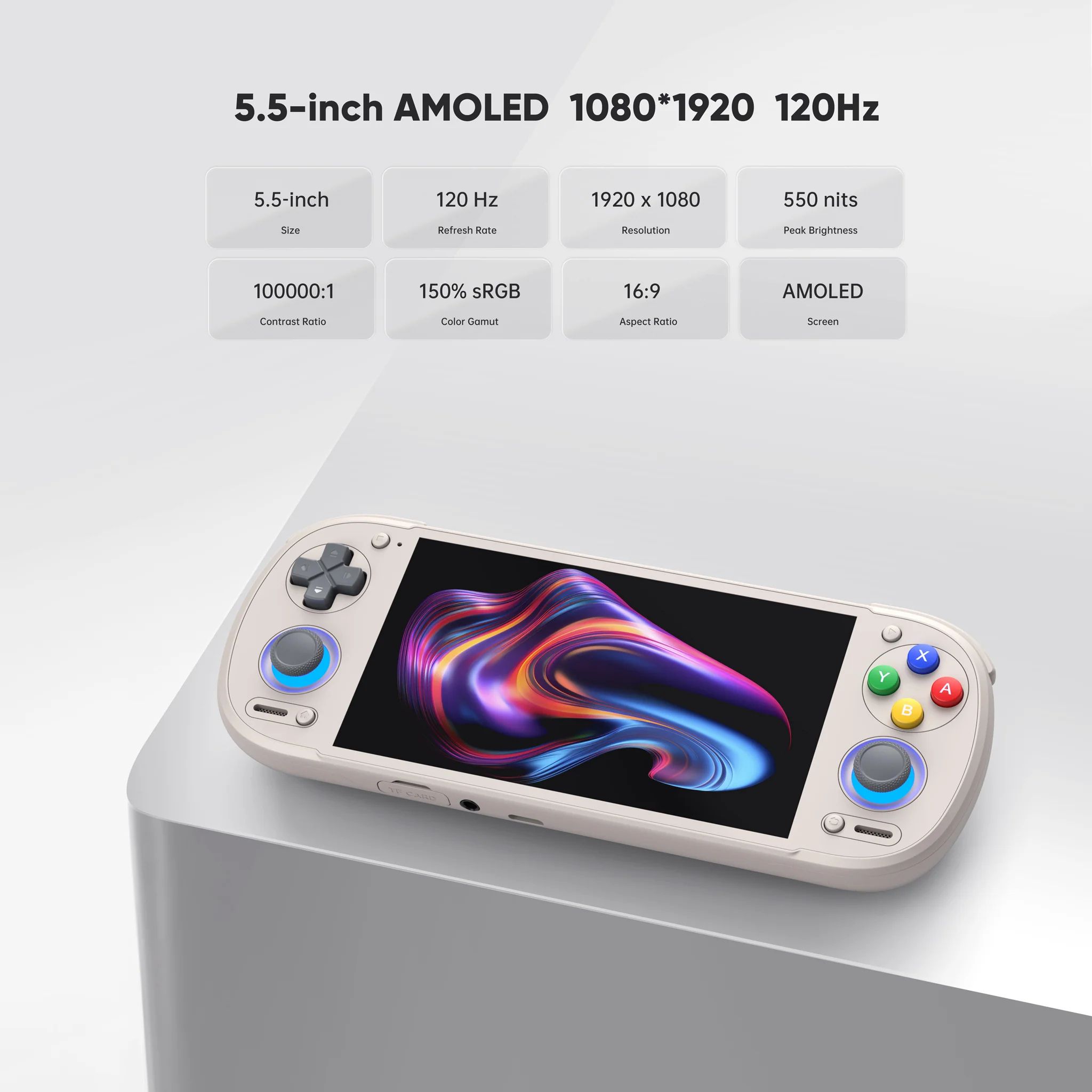
The design brief points to a modern controller-first gaming Android handheld with a 5.5-inch AMOLED display, active cooling, and a compact slab form factor. The 17.2 mm thickness suggests Retroid is making room for cooling and battery capacity while still keeping the Pocket 6 in the portable handheld category.
Processor, GPU, RAM and storage
At the centre of the Retroid Pocket 6 is Qualcomm's Snapdragon 8 Gen 2, built on a 4nm process. The CPU layout listed for the Retroid Pocket 6 is 1x GoldPlus core at 3.2GHz, 4x Gold cores at 2.8GHz, and 3x Silver cores at 2.0GHz.
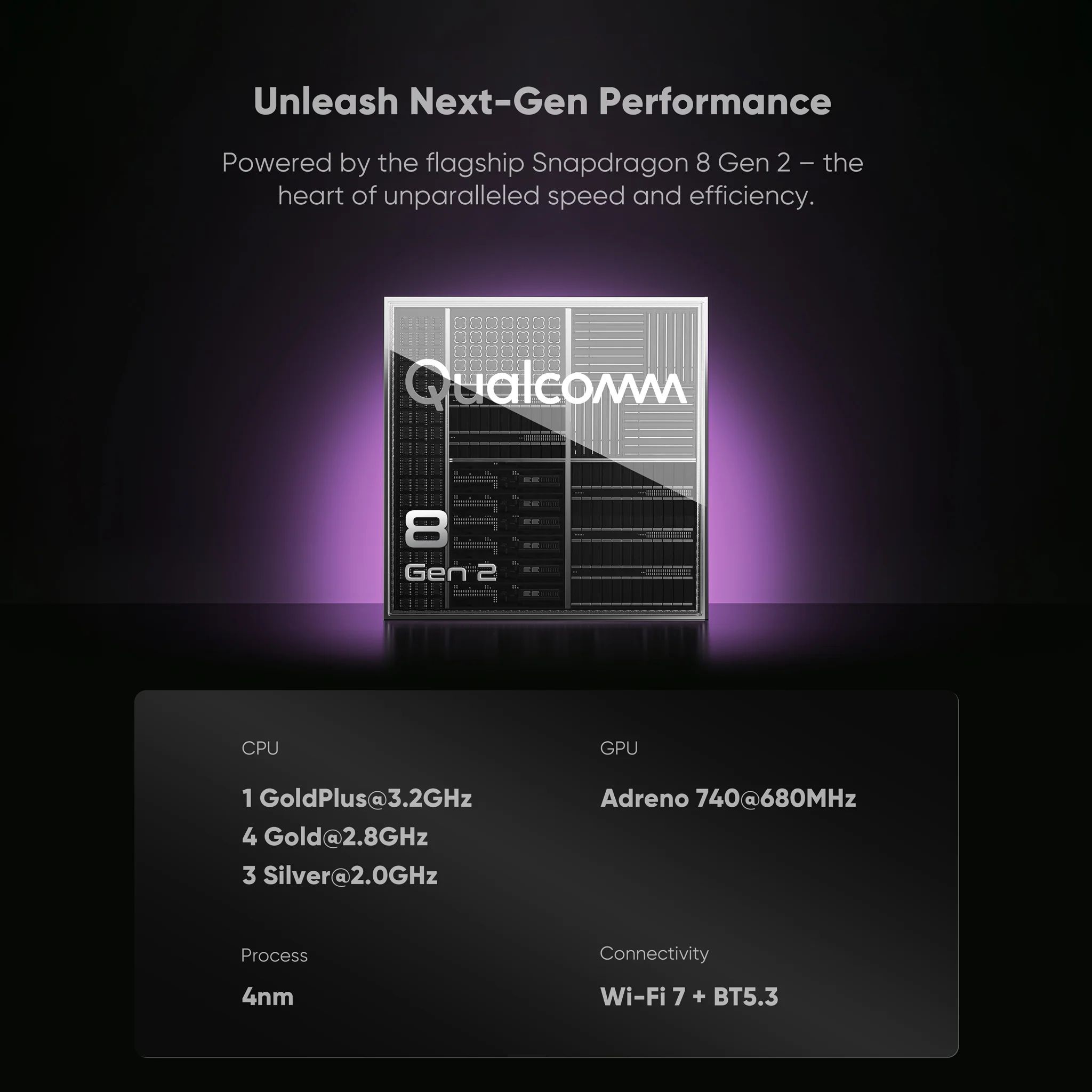
Graphics are handled by the Adreno 740 GPU at 680MHz. This is a major step above the Adreno 650 used in the Retroid Pocket 5 and the Mali G77 MC9 used in the Retroid Pocket 4 Pro.
Two memory and storage options are listed: 8GB or 12GB LPDDR5x RAM, paired with 128GB or 256GB UFS 3.1 storage. For most buyers, 8GB should be enough for retro emulation and native Android games. The 12GB model is the stronger pick if you plan to keep more apps open, use heavier Android titles, or push higher-end emulators or Windows emulators where memory overhead can vary.
Retroid Pocket 6 vs Retroid Pocket 5 and Pocket 4 Pro specs
| Specification | Retroid Pocket 4 Pro | Retroid Pocket 5 | Retroid Pocket 6 |
|---|---|---|---|
| Processor | MediaTek Dimensity 1100 | Qualcomm Snapdragon 865 | Qualcomm Snapdragon 8 Gen 2 |
| CPU layout | 4× A78 @ 2.6GHz, 4× A55 @ 2.0GHz | 1× A77 @ 2.8GHz, 3× A77 @ 2.4GHz, 4× A55 @ 1.8GHz | 1× GoldPlus @ 3.2GHz, 4× Gold @ 2.8GHz, 3× Silver @ 2.0GHz |
| GPU | Mali G77 MC9 @ 836MHz | Adreno 650 | Adreno 740 @ 680MHz |
| RAM | 8GB LPDDR4x | 8GB LPDDR4x @ 2133MHz | 8GB / 12GB LPDDR5x |
| Storage | 128GB UFS 3.1 + Micro SD | 128GB UFS 3.1 + Micro SD | 128GB / 256GB UFS 3.1 + Micro SD |
| Display | 4.7-inch touchscreen, 750×1334, 60Hz | 5.5-inch AMOLED, 1080p, 60Hz | 5.5-inch AMOLED, 1920×1080, 120Hz |
| OS | Android 11 | Android 13 | Android 13 |
| Connectivity | Wi-Fi 6, Bluetooth 5.1 | Wi-Fi 6, Bluetooth 5.1 | Wi-Fi 7, Bluetooth 5.3 |
| Battery | 5000mAh | 5000mAh | 6000mAh |
| Dimensions | approx. 184 × 82 × 15.8 mm | approx. 199 × 78.5 × 15.6 mm | 205.5 × 80.5 × 17.2 mm |
| Weight | approx. 261g | approx. 280g | approx. 304g |
| Review | HERE | HERE | Coming soon |
This comparison shows why the Retroid Pocket 6 pre-order is a bigger generational shift than the Pocket 5 was for some users. The Retroid Pocket 5 brought a stronger display and a more premium feel. The Retroid Pocket 6 adds a much more powerful chipset, faster memory, a larger battery, newer wireless connectivity, and a 120Hz display.
General I/O on the Android gaming handheld
The Retroid Pocket 6 includes USB 3.1 Type-C, a 3.5mm audio jack, and a micro SD card slot. That gives owners the essentials for charging, wired audio, data transfer, and expandable storage.
Video output is also listed as DisplayPort 4K 60Hz via USB-C. That matters if you want to connect the Android gaming device to a monitor or TV for a console-style setup, local multiplayer, big-screen retro gaming, or testing emulator output beyond the built-in display.
Wireless connectivity is another upgrade. Wi-Fi 7 and Bluetooth 5.3 should help the Retroid Pocket 6 feel current for cloud gaming, large Android downloads, Bluetooth audio, and external controller use, although real-world performance will still depend on your router, accessories, and local wireless conditions.
What is the Retroid Pocket 6 aimed at?
The Retroid Pocket 6 is aimed at players who want a powerful Android gaming console for native Android games, cloud gaming, streaming, and emulation. It should be especially interesting for users who liked the size of previous Retroid models but wanted more headroom for demanding systems.
As a gaming Android handheld, the Pocket 6 sits in a useful middle ground. It is more portable than many larger Android handhelds, but its Snapdragon 8 Gen 2 platform puts it closer to premium devices for performance potential.
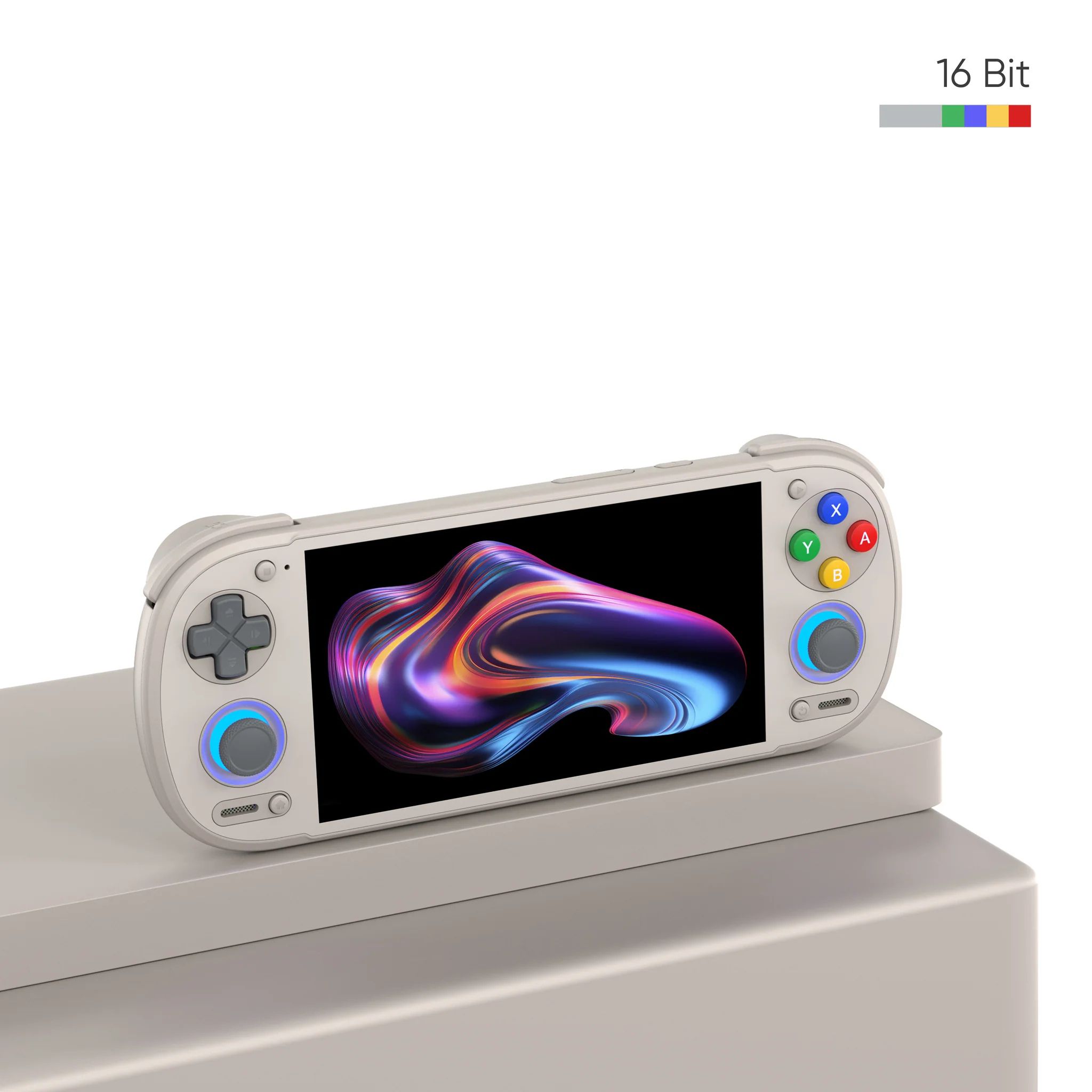
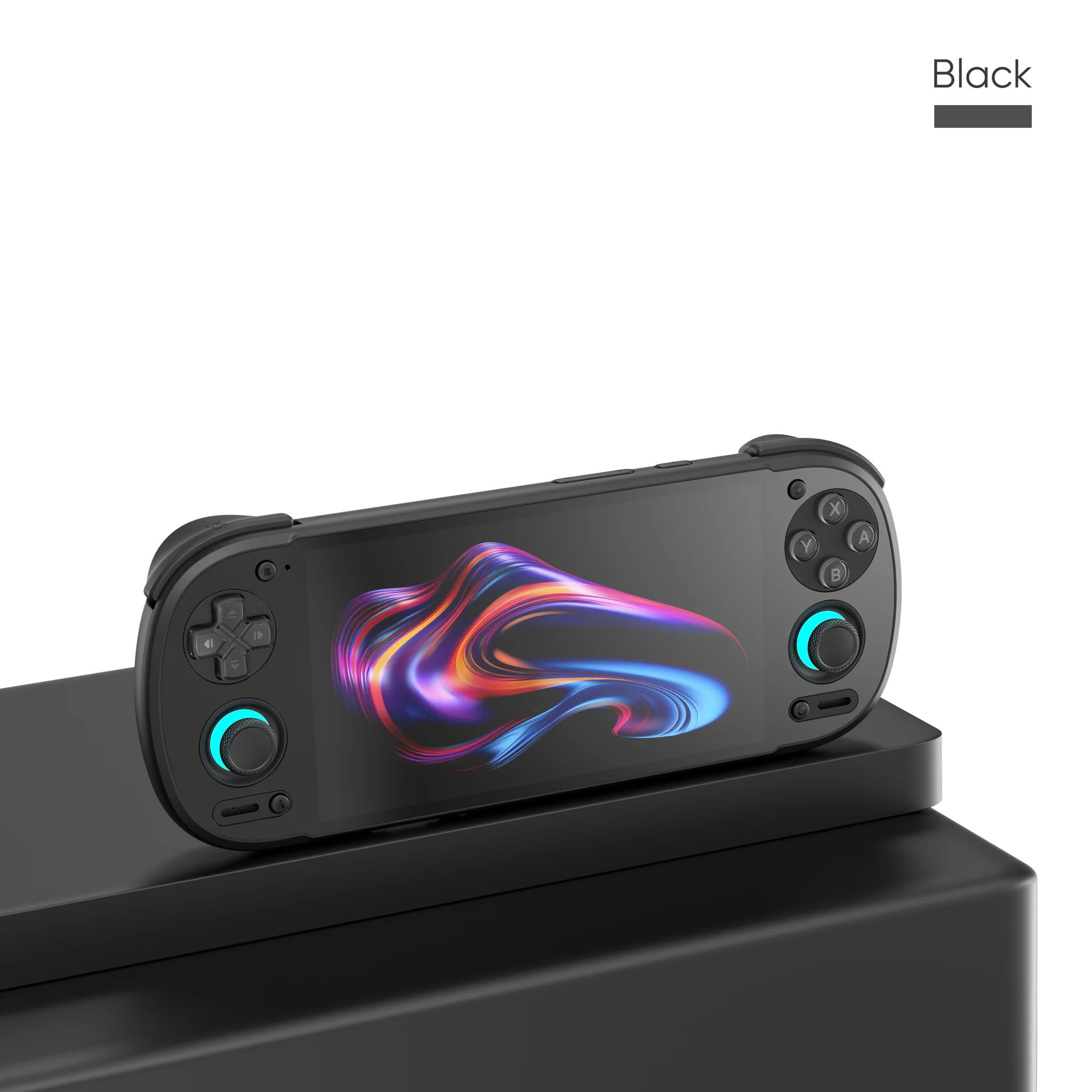
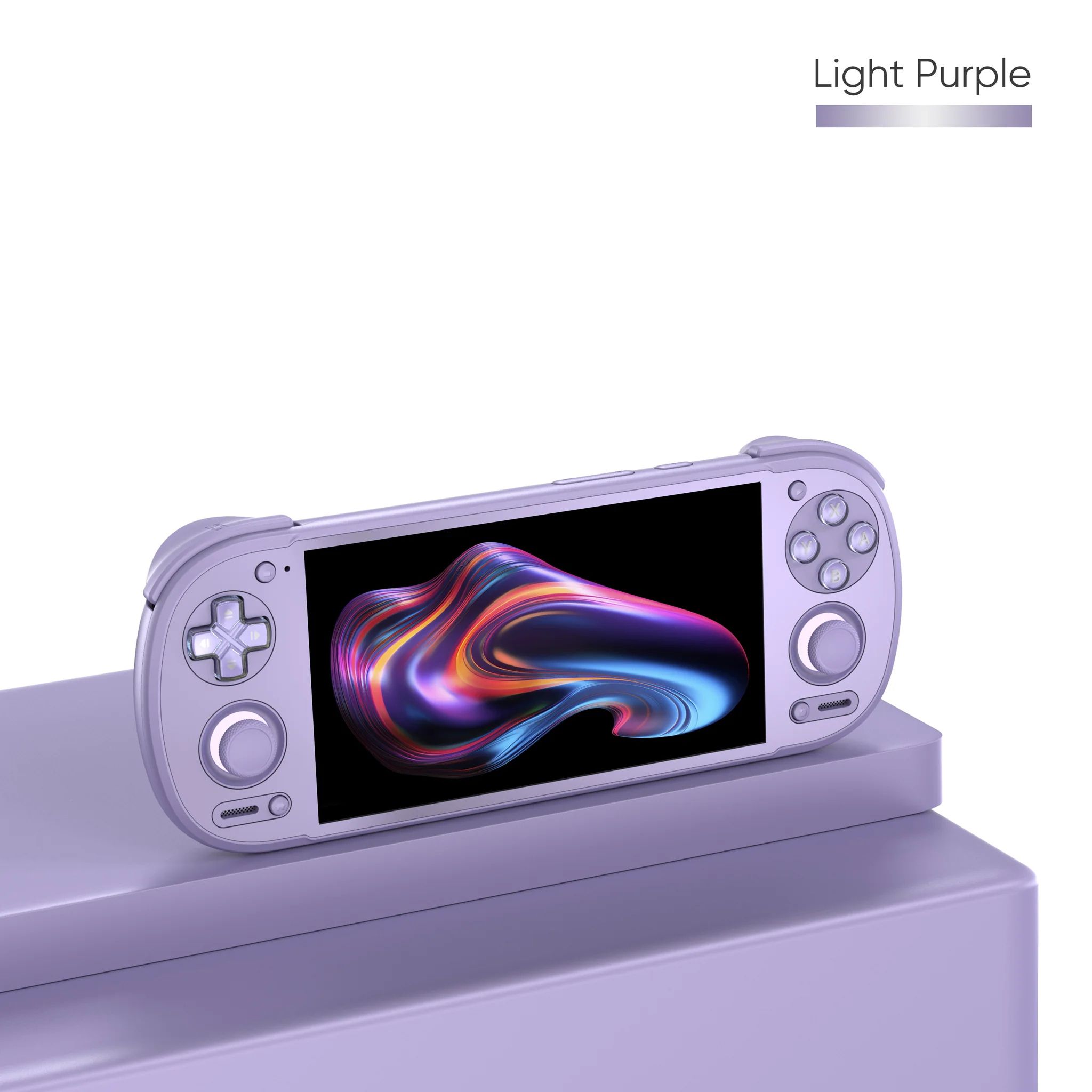
For Android games, the combination of the Adreno 740 GPU, active cooling, 120Hz AMOLED display, and controller layout should make the Pocket 6 a strong fit for titles with controller support or screen mapping. It may also suit game streaming from services or local PCs where Wi-Fi performance and screen quality are both important.
For emulation, the Snapdragon 8 Gen 2 is the reason this launch is exciting. It gives the Retroid Pocket 6 far more room than the Snapdragon 865-based Pocket 5, especially in tougher 3D systems and higher internal rendering resolutions. Compatibility will still vary by emulator, game, settings, and driver support.
Snapdragon 8 Gen 2 performance context from AYN Thor
DROIX has not yet published Retroid Pocket 6 hands-on benchmark results, so we should not treat AYN Thor results as direct Retroid Pocket 6 scores. The AYN Thor is a different device with a dual-screen clamshell design, different thermals, and its own firmware.
However, the AYN Thor and Retroid Pocket 6 both use Snapdragon 8 Gen 2 with Adreno 740 graphics. That makes our AYN Thor review useful as a cautious performance reference for the silicon family.
Testing conditions from DROIX AYN Thor review:
- Device: AYN Thor
- Chipset: Qualcomm Snapdragon 8 Gen 2 / Adreno 740
- OS: Android 13
- Test modes: single-screen and dual-screen operation
- Benchmarks: Geekbench 6, Antutu, 3DMark Wildlife Extreme
- Source: DROIX AYN Thor review, January 2026
| Benchmark | AYN Thor single-screen score | AYN Thor dual-screen score | Why it matters for RP6 buyers |
|---|---|---|---|
| Geekbench 6 single-core | 2,043 | 1,995 | Shows strong CPU speed for Android tasks and emulator workloads. |
| Geekbench 6 multi-core | 5,651 | 5,394 | Gives context for sustained multi-core performance on Snapdragon 8 Gen 2. |
| Antutu | 1,567,823 | 1,555,311 | Broad CPU, GPU, memory, and UX score for Android gaming console performance. |
| 3DMark Wildlife Extreme | 3,692 | 3,668 | GPU-heavy context for Adreno 740 graphics performance. |
Because the Retroid Pocket 6 does not have a second screen, it may behave differently from the AYN Thor. It could perform closer to single-screen Snapdragon 8 Gen 2 handhelds if cooling and firmware are tuned well, but that remains analysis rather than confirmed Retroid Pocket 6 test data.
Battery, cooling and display
The Retroid Pocket 6 includes a 6000mAh battery and supports 27W charging. That is a useful jump from the 5000mAh battery listed for both the Retroid Pocket 4 Pro and Retroid Pocket 5 in our earlier coverage.
Active cooling is also confirmed in the specification. This is important for a Snapdragon 8 Gen 2 Android gaming device because higher-end emulation and demanding native games can create sustained CPU and GPU load.
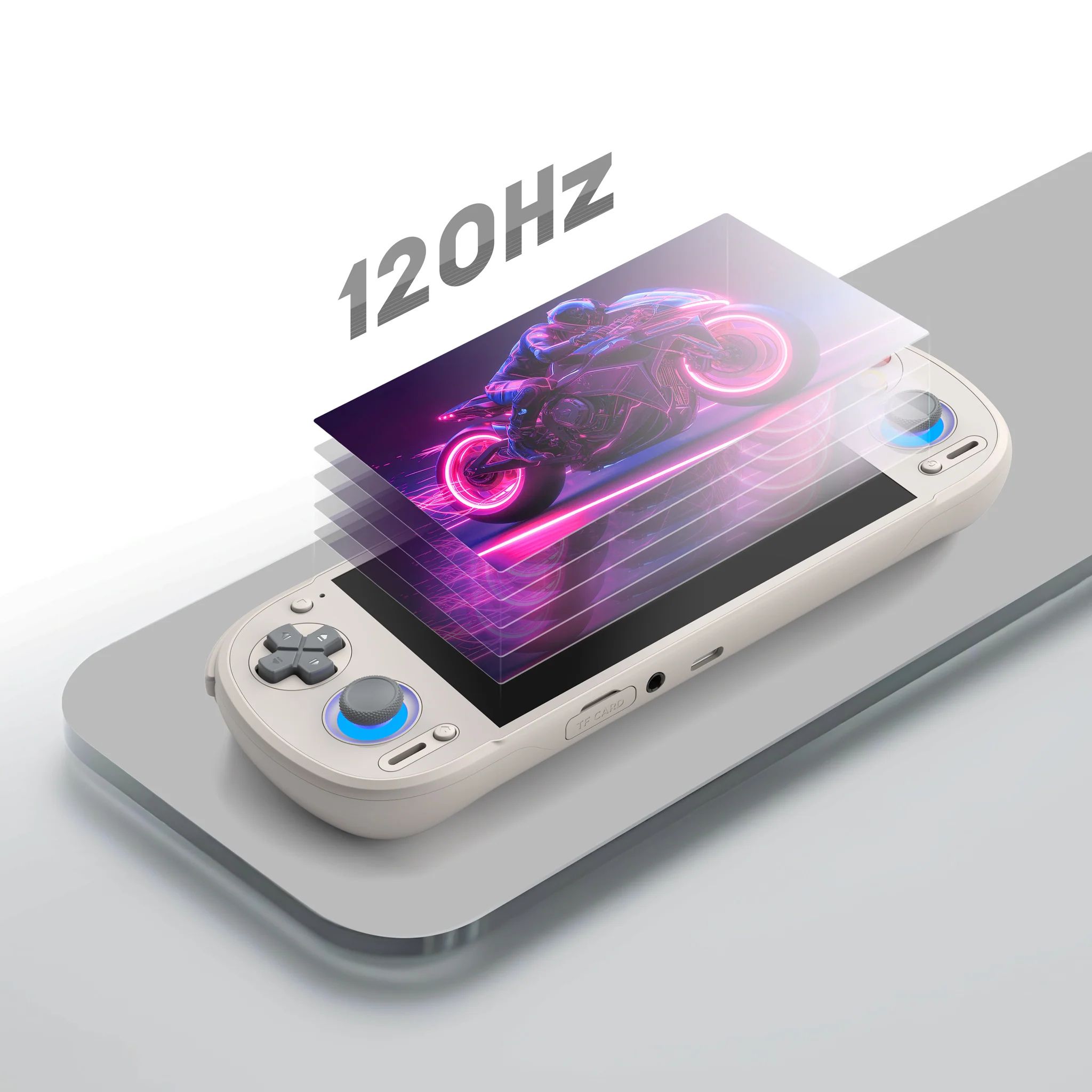
The 5.5-inch AMOLED display is another key part of the package. A 1920×1080 resolution is a good fit for the screen size, while the 120Hz refresh rate gives the Retroid Pocket 6 more flexibility for Android games, menus, game streaming, and supported emulators.
Who should consider the Retroid Pocket 6 pre-order?
The Retroid Pocket 6 pre-order is best suited to buyers who want a compact Android handheld with a large performance upgrade over the Retroid Pocket 4 Pro or Pocket 5. If you already own an older Retroid and want more power for demanding Android games or heavier emulation, this is the model to watch.
It also makes sense for new buyers who want one Android gaming console that can cover classic systems, modern Android gaming, streaming, and big-screen output from USB-C. The storage options, micro SD card expansion, and 4K 60Hz DisplayPort output make it more flexible than a device built only for pocket retro play.
If your main focus is low-end retro systems, the Retroid Pocket 5 may still be enough, and the Retroid Pocket 5 review remains useful reading. If you want more performance headroom, the Retroid Pocket 6 is the more forward-looking choice.
Retroid Pocket 6 pre-order at DROIX
DROIX is now taking Retroid Pocket 6 pre-order reservations through the DROIX store.
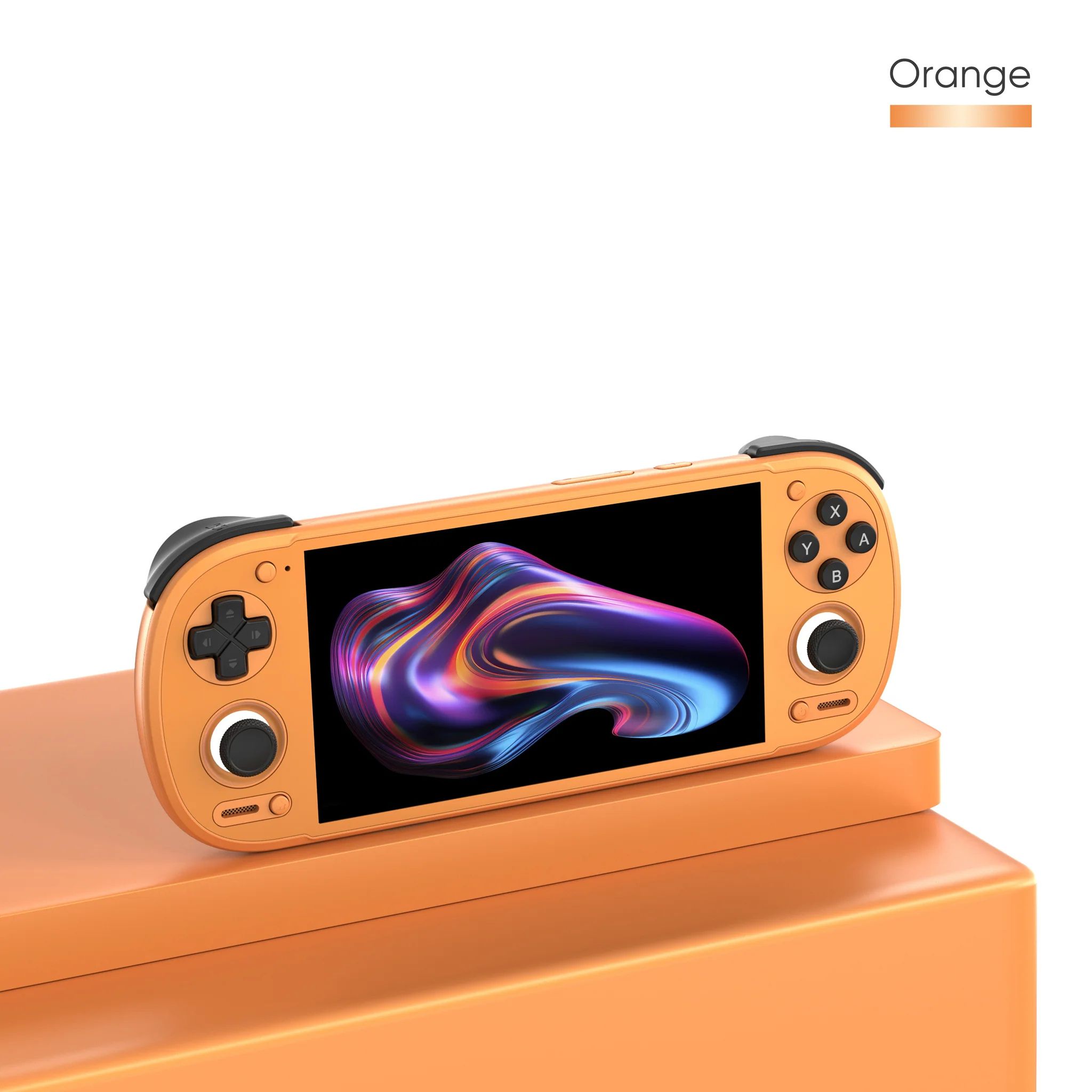
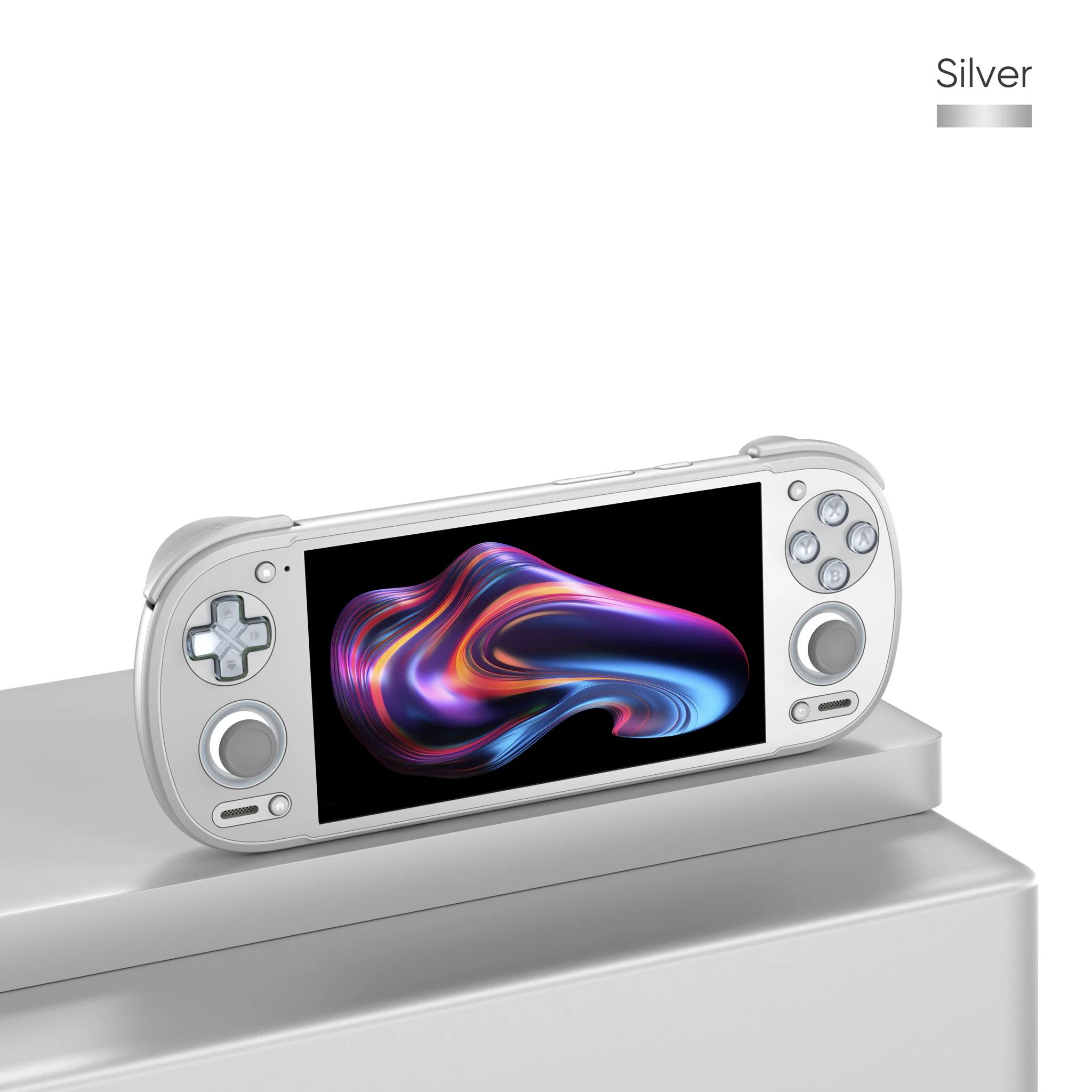
If you are comparing the wider category, you can also browse the latest Android gaming handheld range at DROIX, including devices such as the Retroid Pocket 5, AYN Thor, and AYN Odin 2 Portal.
RETROID Pocket 6
Android Handhelds
Capacity8GB
Colour16BIT
on 13 storesReady to secure the new Retroid? Place your Retroid Pocket 6 pre-order at DROIX today and get ready for a new Snapdragon 8 Gen 2 gaming Android handheld built for Android gaming, emulation, and big-screen play.
FAQ
Is the Retroid Pocket 6 pre-order available at DROIX?
Yes, the Retroid Pocket 6 pre-order is now available through DROIX.
What processor does the Retroid Pocket 6 use?
The Retroid Pocket 6 uses Qualcomm's Snapdragon 8 Gen 2 processor with Adreno 740 graphics. The supplied specification lists a 4nm process, one GoldPlus core at 3.2GHz, four Gold cores at 2.8GHz, and three Silver cores at 2.0GHz.
Is the Retroid Pocket 6 good for emulation?
The Retroid Pocket 6 should be a strong emulation handheld based on its Snapdragon 8 Gen 2 chipset, Adreno 740 GPU, active cooling, and AMOLED display. Final performance will depend on emulator compatibility, settings, drivers, firmware, and the games you run.
Should I upgrade from the Retroid Pocket 5 to the Retroid Pocket 6?
You should consider upgrading from the Retroid Pocket 5 if you want much more chipset headroom, a 120Hz display, Wi-Fi 7, a larger 6000mAh battery, and Snapdragon 8 Gen 2 performance. If you mainly play lighter retro systems, the Pocket 5 may still be enough.
Does the Retroid Pocket 6 support video output?
Yes, the Retroid Pocket 6 specification lists DisplayPort 4K 60Hz video output via USB-C. This means it can be connected to a compatible monitor or TV for big-screen Android gaming and emulation.

Bringer of videos, text and images! AKA the social media guy at DROIX. Massive retro gaming fan and collector, with a far too large collection of consoles and computers from 1970's to modern. Contact me at [email protected]
Frågor & kommentarer
0
Varje fråga får ett svar. Fråga innan du köper — DaveC och teamet svarar inom en arbetsdag, och svaren förblir offentliga så de hjälper nästa läsare också.