



Neste artigo
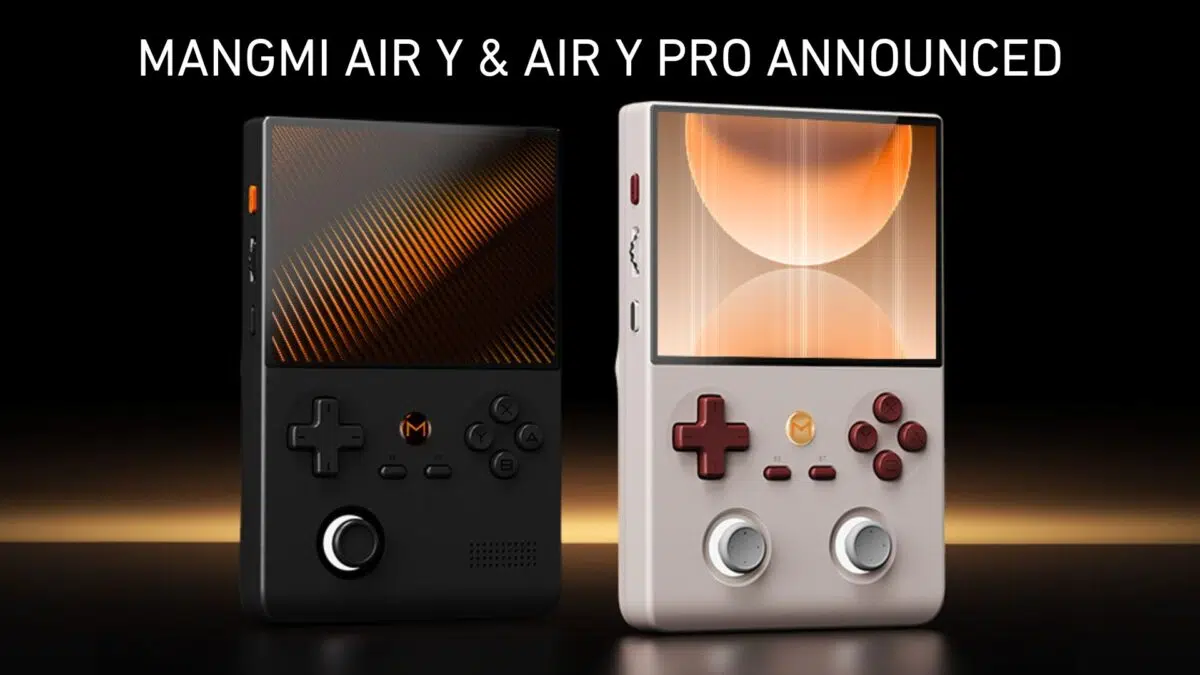
What is the MANGMI Air Y?
The MANGMI Air Y is a compact vertical Android gaming handheld built around a 4.2-inch 4:3 touchscreen, classic-style controls and an entry-level Snapdragon 662 platform. It arrives alongside the MANGMI Air Y Pro, a higher-spec model that keeps the same core form factor and display size but upgrades to Snapdragon 865 hardware, faster storage options, dual stereo speakers and dual analogue sticks.
Together, the two models add a different shape to the Android gaming handheld range. Rather than chasing a wide-screen layout, both are designed around a 4:3 panel that better suits classic console and arcade content. The result is a pair of Android gaming console options aimed at distinct budgets and performance expectations.
MANGMI Air Y vs Air Y Pro specifications
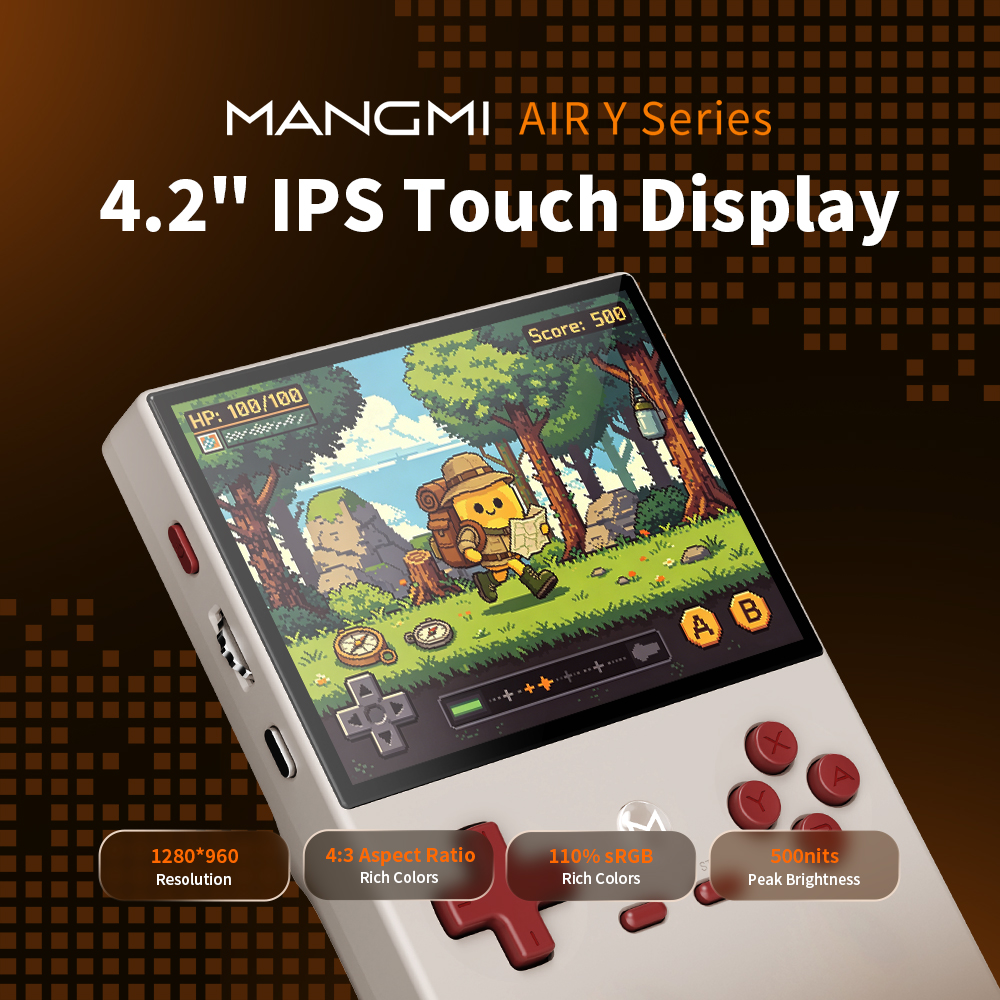
Both models share a 4.2-inch 1280 × 960 IPS touchscreen in a 4:3 aspect ratio. MANGMI also lists 500 nits of peak brightness and 110% sRGB colour coverage for the display. The two handhelds measure 144.84 × 94.64 × 23 mm, include active cooling, and carry a 5,000mAh battery, but the underlying hardware differs considerably.
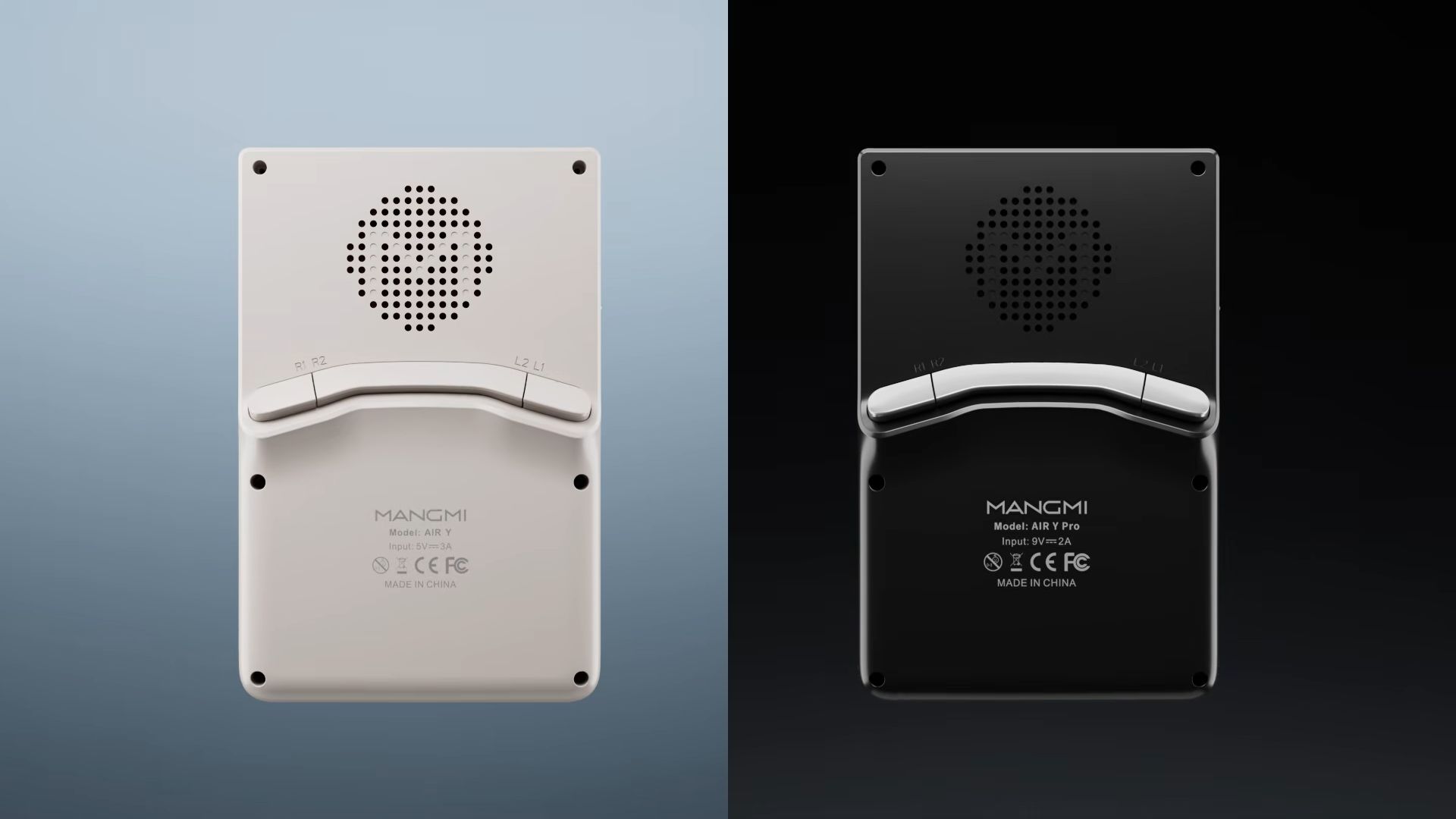
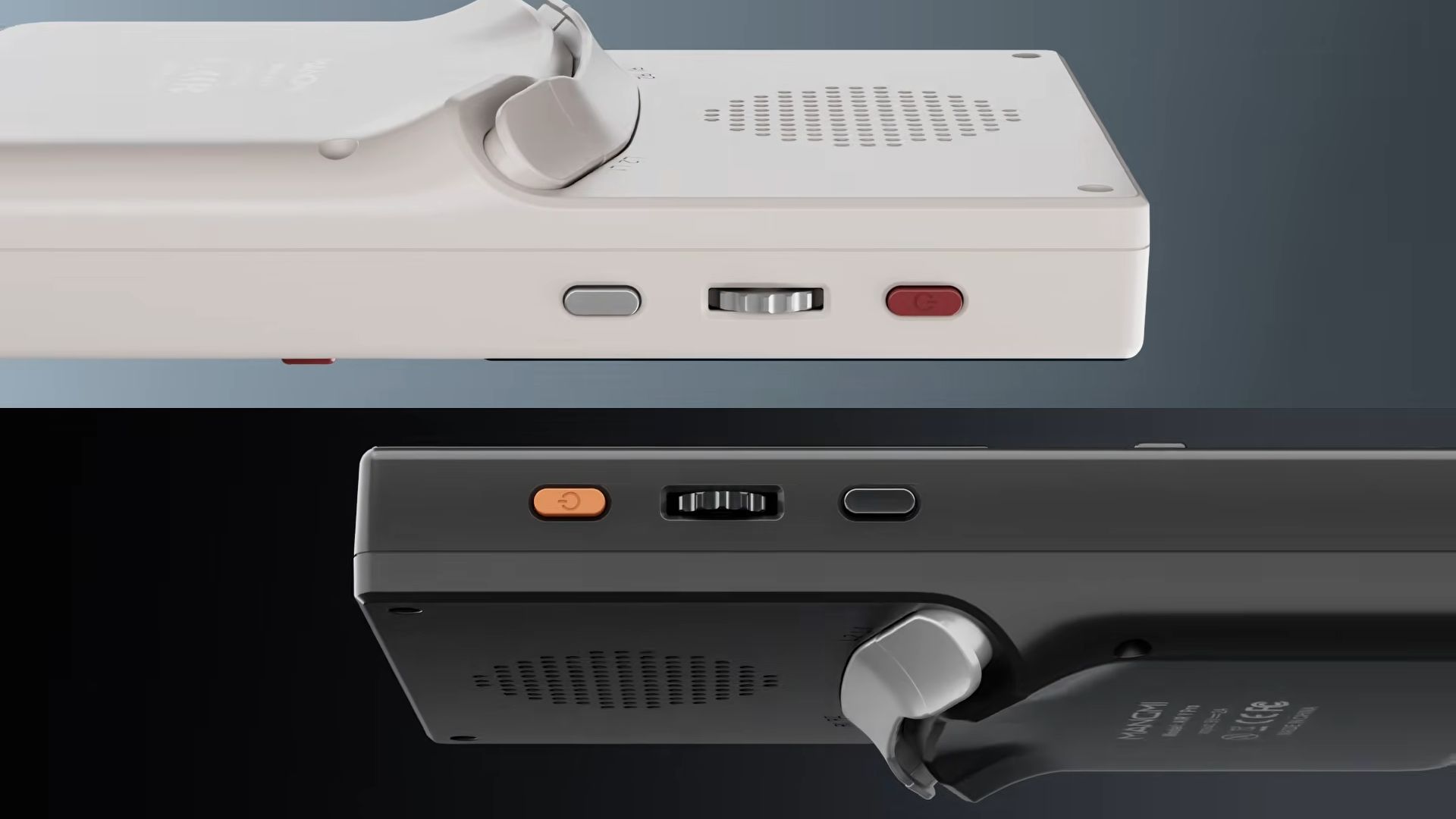
| Specification | MANGMI Air Y | MANGMI Air Y Pro |
|---|---|---|
| Processor | Qualcomm Snapdragon 662 | Qualcomm Snapdragon 865 |
| RAM | 3GB LPDDR4X | 4GB or 8GB LPDDR4X |
| Storage | 32GB eMMC | 64GB UFS 2.1 or 128GB UFS 3.1 |
| Cooling | Active cooling | Active cooling |
| Display | 4.2-inch IPS touchscreen, 1280 × 960, 4:3 | 4.2-inch IPS touchscreen, 1280 × 960, 4:3 |
| Connectivity | Wi-Fi 5, Bluetooth 5.0 | Wi-Fi 6, Bluetooth 5.1 |
| Ports | USB Type-C, TF card slot, 3.5mm headphone jack | USB Type-C, TF card slot, 3.5mm headphone jack |
| Speakers | Single speaker | Dual stereo speakers |
| Operating system | Android 14 | Android 13 |
| Battery | 5,000mAh | 5,000mAh |
| Charging | 15W | 18W |
| Other features | Customisable key, volume wheel, 6-axis gyro | Customisable key, volume wheel, 6-axis gyro |
| Size | 144.84 × 94.64 × 23 mm | 144.84 × 94.64 × 23 mm |
| Weight | 279g | 286g |
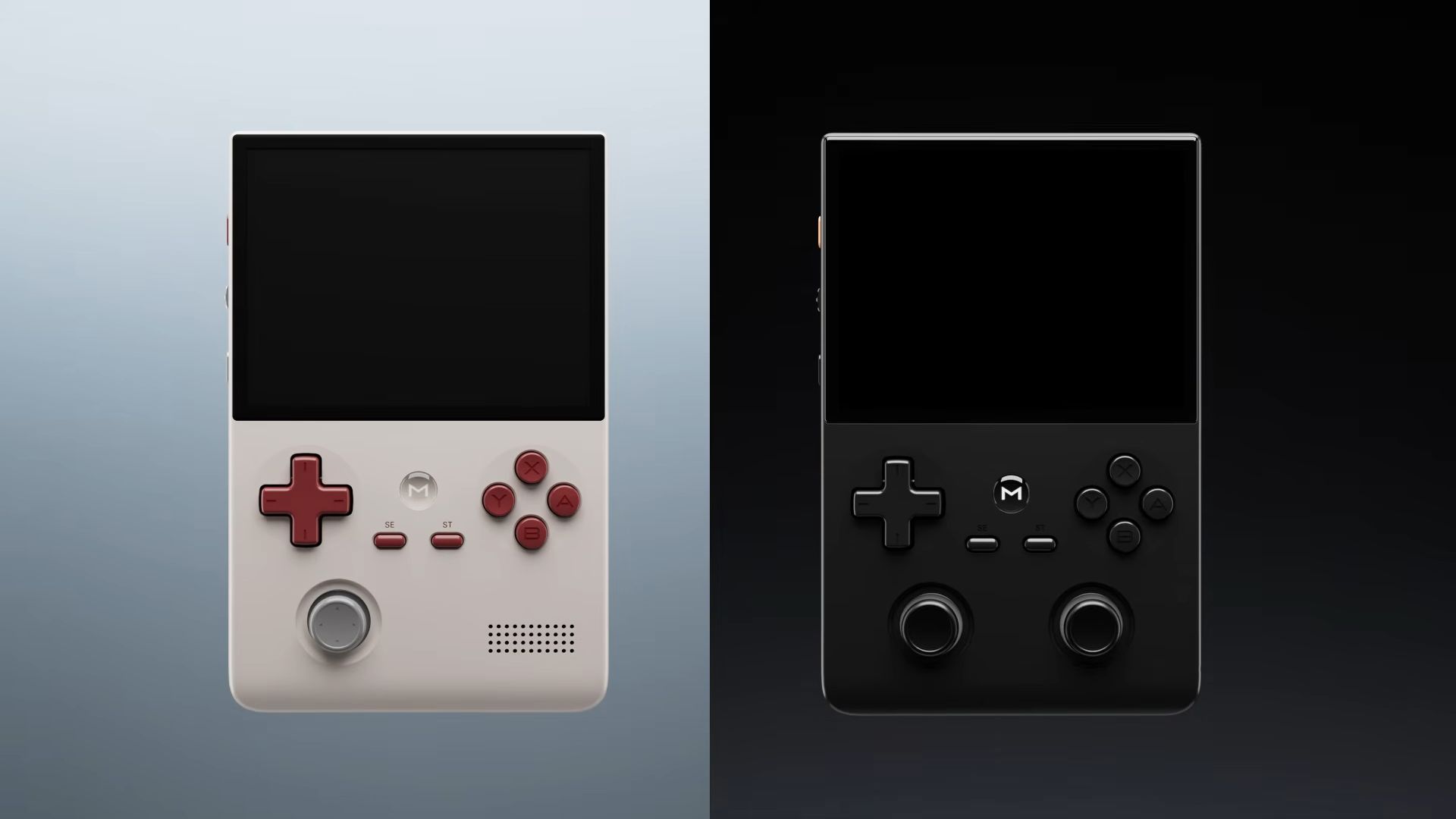
The design details are shared too: a front breathing-light logo, a metallic side wheel, contrasting buttons and curved shoulder buttons. The control layout is the more visible distinction. The Air Y has one left analogue stick, while the Air Y Pro has two analogue sticks, which should make it the more natural fit for games and streaming services that depend on a full twin-stick layout.
Popular right now
What people are buying this month
Prices as listed on each store

GPD WIN 5 (AI Max HX 385 - 32GB_RAM/1TB_NVME) (Raven Black)



 on 15 storesGPD WIN 5 (AI Max HX 385 - 32GB_RAM/1TB_NVME) (Raven Black)Choose where to buy — prices as listed on each store.
Prices are the ones Weekly last read from each store — check the store page before you buy.


MANGMI Pocket Max (Snapdragon 865 - 8GB_RAM/128GB_STORAGE) (Retro GB)
 on 13 storesMANGMI Pocket Max (Snapdragon 865 - 8GB_RAM/128GB_STORAGE) (Retro GB)Choose where to buy — prices as listed on each store.
Prices are the ones Weekly last read from each store — check the store page before you buy.
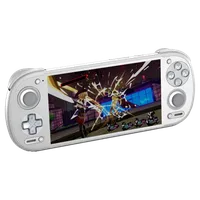
 RETROID Pocket 6 - 12GB RAM/128GB SSD [SILVER]Choose where to buy — prices as listed on each store.
Prices are the ones Weekly last read from each store — check the store page before you buy.
Snapdragon 662 in the MANGMI Air Y
The standard Air Y uses Qualcomm's Snapdragon 662, the same processor family found in the MANGMI Air X. The Air Y is not a direct copy of the Air X: its 3GB RAM and 32GB eMMC configuration are lower than the Air X configuration we tested, so its exact benchmark and game results still need hands-on testing. The Air X remains useful context for understanding the platform's likely role.
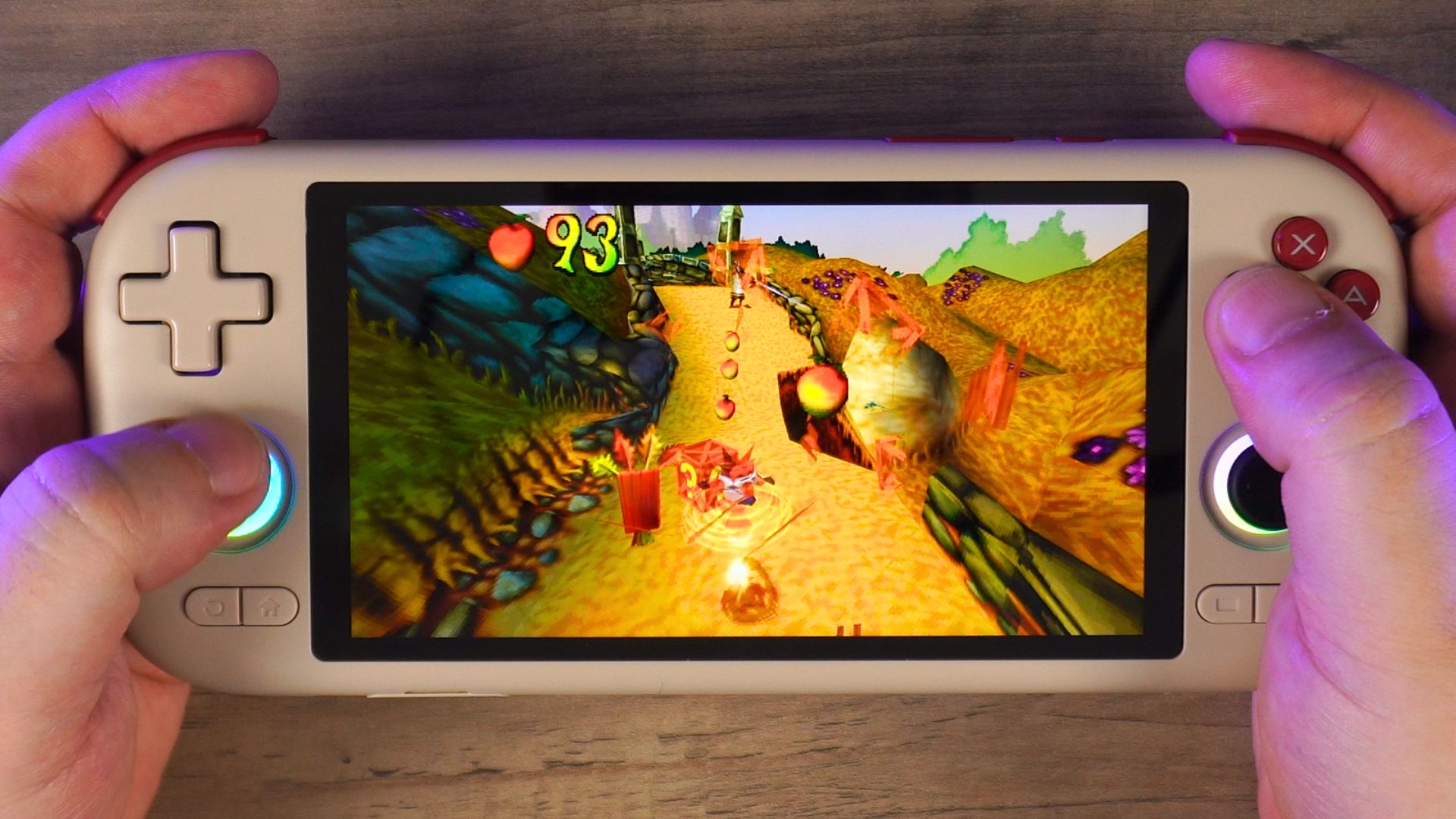
In our MANGMI Air X review, the Snapdragon 662 platform recorded 256,886 in AnTuTu, 340 single-core and 1,119 multi-core in Geekbench 6, and 115 in 3DMark Wild Life Extreme. Those figures place it in the budget Android gaming device tier: well suited to lighter and mid-range Android games, retro-inspired titles, cloud gaming and streaming, rather than demanding 3D Android releases.
For emulation, the Air X handled systems through the PlayStation 1 era without issue. PlayStation 2, 3DS and Vita emulation were more mixed and depended heavily on the game, emulator version, drivers and settings. Some lighter PlayStation 2 games may be playable with adjustment, Azahar was useful in many 3DS games, and Vita3K could run lower-demanding games well, but these are not universal guarantees. The standard Air Y should therefore appeal most to players who want a portable gaming Android handheld for classic libraries and everyday Android use.
| Reference handheld and processor | AnTuTu | Geekbench 6 single / multi-core | 3DMark Wild Life Extreme | What it suggests for the Air Y range |
|---|---|---|---|---|
| MANGMI Air X (Snapdragon 662) | 256,886 | 340 / 1,119 | 115 | A capable budget platform for lighter Android play and classic emulation |
| MANGMI Pocket Max (Snapdragon 865) | 1,049,921 | 1,205 / 3,388 | 1,225 | A substantially higher-performance platform with more headroom for demanding Android games and newer emulators |
Snapdragon 865 in the MANGMI Air Y Pro
The Air Y Pro moves to Qualcomm's Snapdragon 865, the same processor used in the MANGMI Pocket Max. It also adds 4GB or 8GB of LPDDR4X RAM, 64GB UFS 2.1 or 128GB UFS 3.1 storage, Wi-Fi 6, Bluetooth 5.1, stereo speakers and faster 18W charging. Those upgrades position the Pro as much more than an Air Y with a second stick.
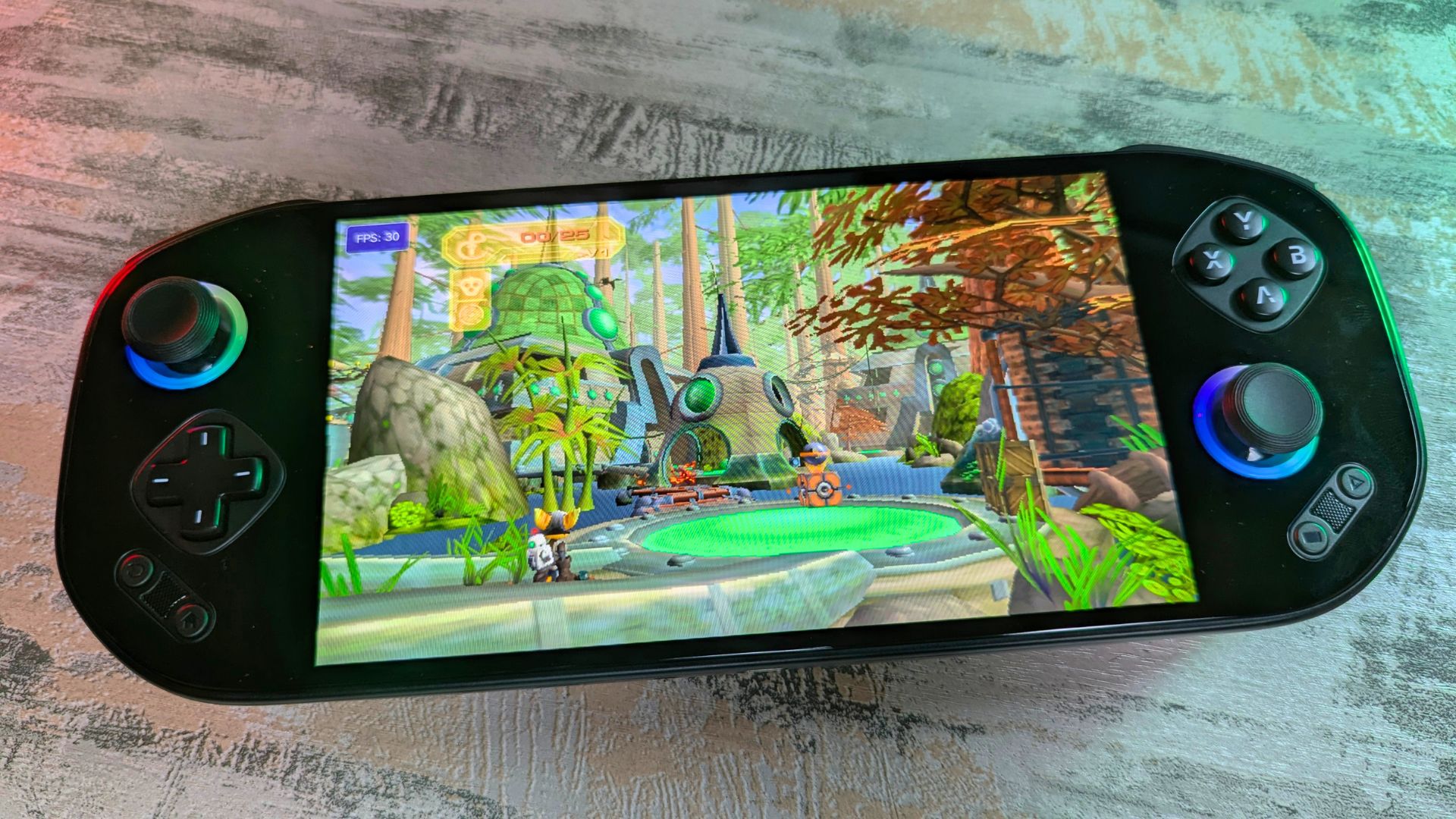
Our MANGMI Pocket Max review provides the best current context for Snapdragon 865 performance. The Pocket Max scored 1,049,921 in AnTuTu, 1,205 single-core and 3,388 multi-core in Geekbench 6, plus 1,225 in 3DMark Wild Life Extreme. These are reference-device results, not a direct performance promise for the Air Y Pro: cooling, RAM configuration, software and drivers can all change the final outcome. They do, however, show the substantial headroom available from the higher-tier platform.
In Pocket Max testing, native Android games, streaming and retro systems had plenty of room to run. PlayStation 2 performance was generally strong, with many tested games reaching 60 FPS. Azahar ran many 3DS games at full speed, including at higher rendering resolutions, while compatible Vita3K titles performed very well. More demanding emulators and games still vary by compatibility and settings, but the Air Y Pro has the stronger foundation for players who want to explore beyond the classic systems.
Which MANGMI Air Y model should you choose?
The MANGMI Air Y is the simpler, lighter model at 279g. With Android 14, a single speaker, one analogue stick and the Snapdragon 662, it is positioned for retro gaming, lighter Android titles, streaming and a lower-cost route into a vertical handheld.
At 286g, the MANGMI Air Y Pro is only 7g heavier but brings a much larger performance ceiling. Its Snapdragon 865, faster storage options, stereo sound, stronger wireless connectivity and twin-stick controls make it the better match for users who want more demanding Android games and broader emulation potential in the same compact form factor.
Both devices share the same screen format, active cooling, expansion slot, USB-C port, 3.5mm headphone jack, customisable key, volume wheel and 6-axis gyro. That makes the decision straightforward: choose the Air Y for the more accessible classic-gaming route, or the Pro when performance, storage speed and twin-stick controls matter more.
The final test will be how MANGMI tunes these components in the finished hardware. Until we can benchmark both models directly, the Air X and Pocket Max reviews are useful guides rather than a substitute for device-specific testing. If you are comparing formats and performance levels, explore the wider Android gaming handheld range at DROIX.
FAQ
What is the difference between the MANGMI Air Y and Air Y Pro?
The Air Y uses Snapdragon 662, 3GB RAM, 32GB eMMC storage, one left analogue stick, Wi-Fi 5, a single speaker and 15W charging. The Air Y Pro uses Snapdragon 865, 4GB or 8GB RAM, UFS storage options, two analogue sticks, Wi-Fi 6, stereo speakers and 18W charging.
Do both MANGMI Air Y models have the same display?
Yes. Both use a 4.2-inch 1280 × 960 IPS touchscreen in a 4:3 aspect ratio. MANGMI lists 500 nits of peak brightness and 110% sRGB colour coverage for the display.
Is the MANGMI Air Y Pro better for PS2, 3DS and Vita emulation?
The Snapdragon 865 gives the Air Y Pro a much stronger basis for these systems than the Snapdragon 662 in the standard Air Y. Pocket Max testing with the same processor was strong for PlayStation 2, Azahar for 3DS and compatible Vita3K titles, but performance on the Air Y Pro itself still needs device-specific testing.
Does the MANGMI Air Y have microSD expansion?
Both models list a TF card slot, alongside USB Type-C and a 3.5mm headphone jack.lit, and different control layouts give the MANGMI Air Y and Air Y Pro a clear identity.

Bringer of videos, text and images! AKA the social media guy at DROIX. Massive retro gaming fan and collector, with a far too large collection of consoles and computers from 1970's to modern. Contact me at [email protected]
Perguntas & comentários
0
Cada pergunta recebe uma resposta. Pergunte antes de comprar — DaveC e a equipa responde no prazo de um dia útil, e as respostas permanecem públicas para ajudar o próximo leitor também.