

Which external GPU connection is best overall? There is no single winner for everyone. USB4 is usually the best choice for mainstream compatibility and convenience, OCuLink is often the best fit for niche enthusiast eGPU setups that already support it, and MCIO looks like the most ambitious future-facing option for high-bandwidth modular systems.
If you are comparing MCIO vs OCuLink vs USB4 for an external GPU setup, the most honest answer is that the best connection depends on what you care about most: raw bandwidth potential, real-world compatibility, or long-term upgrade flexibility.
That is why this is not really a one-line winner-takes-all comparison. A buyer who wants the easiest path to an eGPU setup will often land on a different answer from someone building a niche high-performance desk setup around a compact mini PC or handheld.
Right now, the short version looks like this:
- USB4 is usually the best choice for most people because it is the most practical and broadly available.
- USB4 v2.0 makes the USB4 story stronger by improving bandwidth and making modern dock-style eGPU setups more compelling than older USB-only assumptions suggest.
- OCuLink is still one of the most appealing enthusiast options for devices that already support it.
- MCIO is the most interesting future-facing option if you are looking at newer designs that treat external graphics as part of a more serious modular desktop-style ecosystem.
That last point matters more than it might have a year ago. GPD is now leaning hard into MCIO with products such as the GPD G2 and the GPD BOX, which makes this comparison more relevant than ever for buyers exploring the wider GPD brand ecosystem.
What is MCIO?
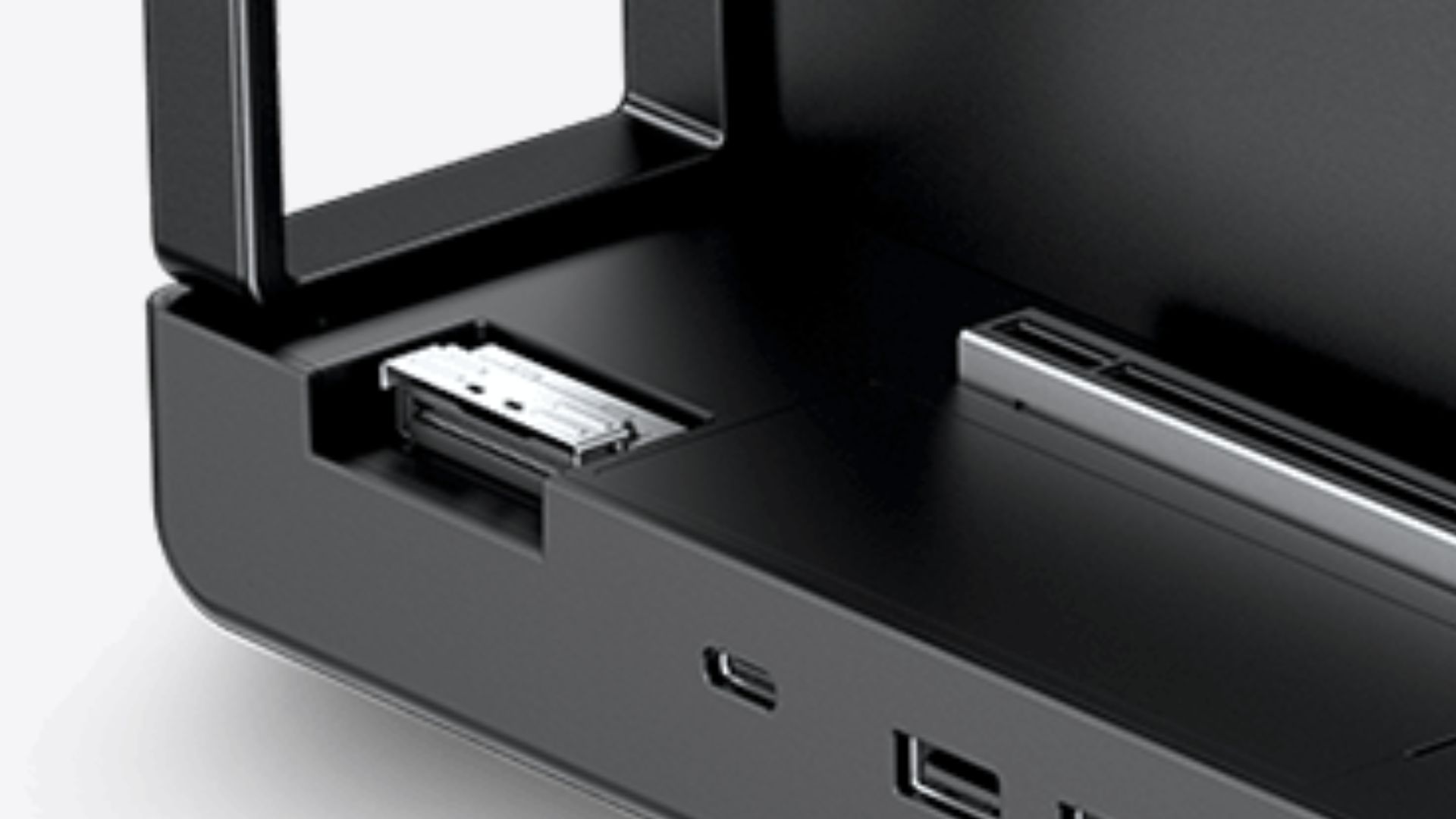
MCIO (Mini Cool Edge IO) is a high-bandwidth interconnect that GPD is now using as a major part of its external graphics and compact desktop story. In the context of recent GPD hardware, MCIO is not being treated as a background technical detail. It is being positioned as one of the biggest reasons a modern compact system could behave more like a serious modular desktop.
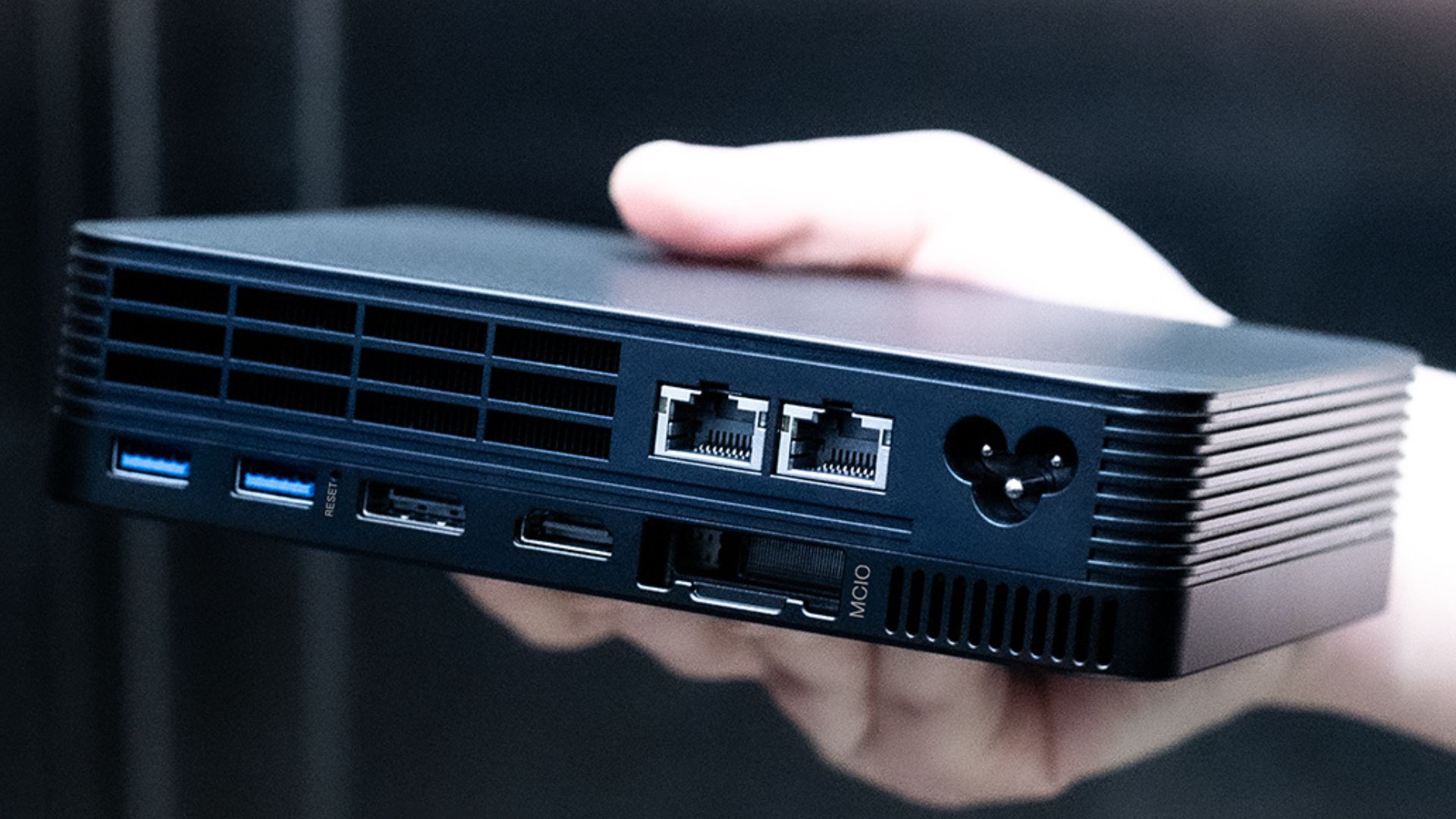
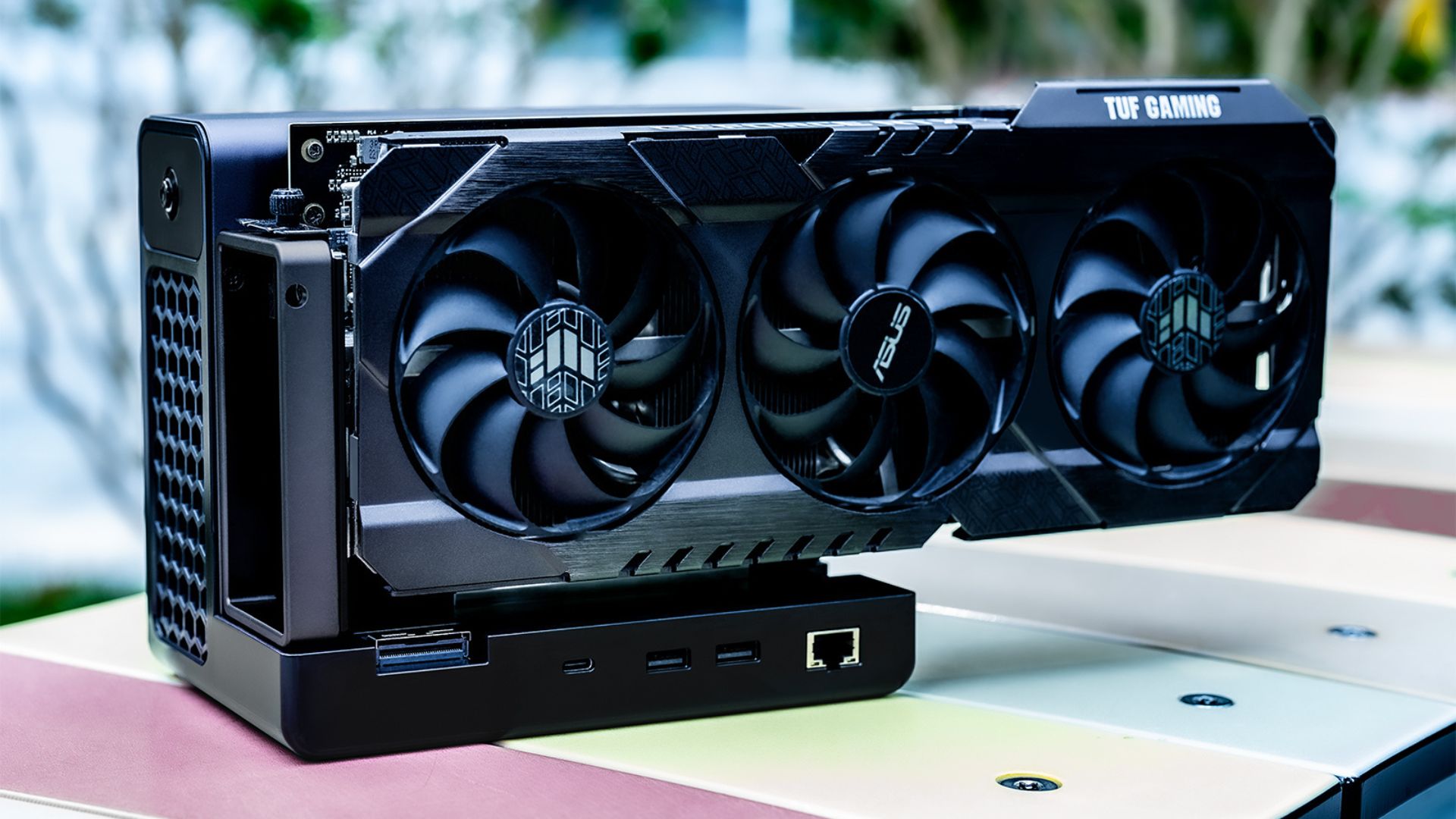
On the latest GPD material, MCIO is closely tied to the pairing between the GPD BOX and the GPD G2. GPD presents the BOX as a compact base system and the G2 as the higher-power external graphics and expansion layer.
That matters because MCIO is being sold as more than a simple accessory connection. It is part of a broader argument that small systems do not need to stay locked into low-power graphics forever.
What is OCuLink?
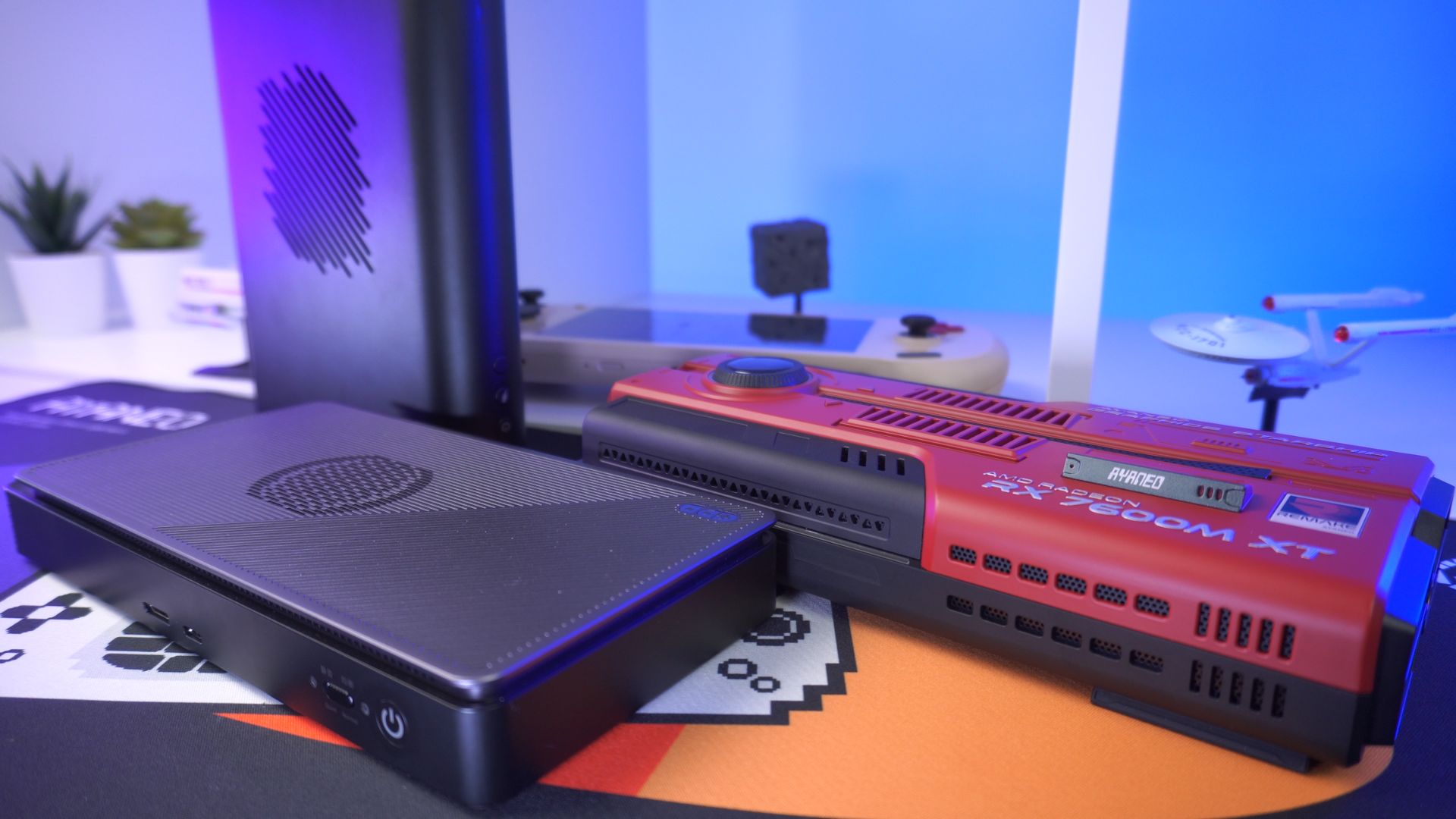
OCuLink is a long-running favourite in enthusiast external GPU discussions because it offers a more direct PCIe-oriented path than a general-purpose dock connection. In practice, that is why it has remained popular with power users, especially on specific handhelds, mini PCs, and enthusiast devices that are designed around it.
The catch is that OCuLink has never been the broad mainstream answer. It tends to matter most on devices such as the AYANEO 3 that already expose it clearly and where the buyer knows they are building an enthusiast setup rather than chasing universal compatibility.
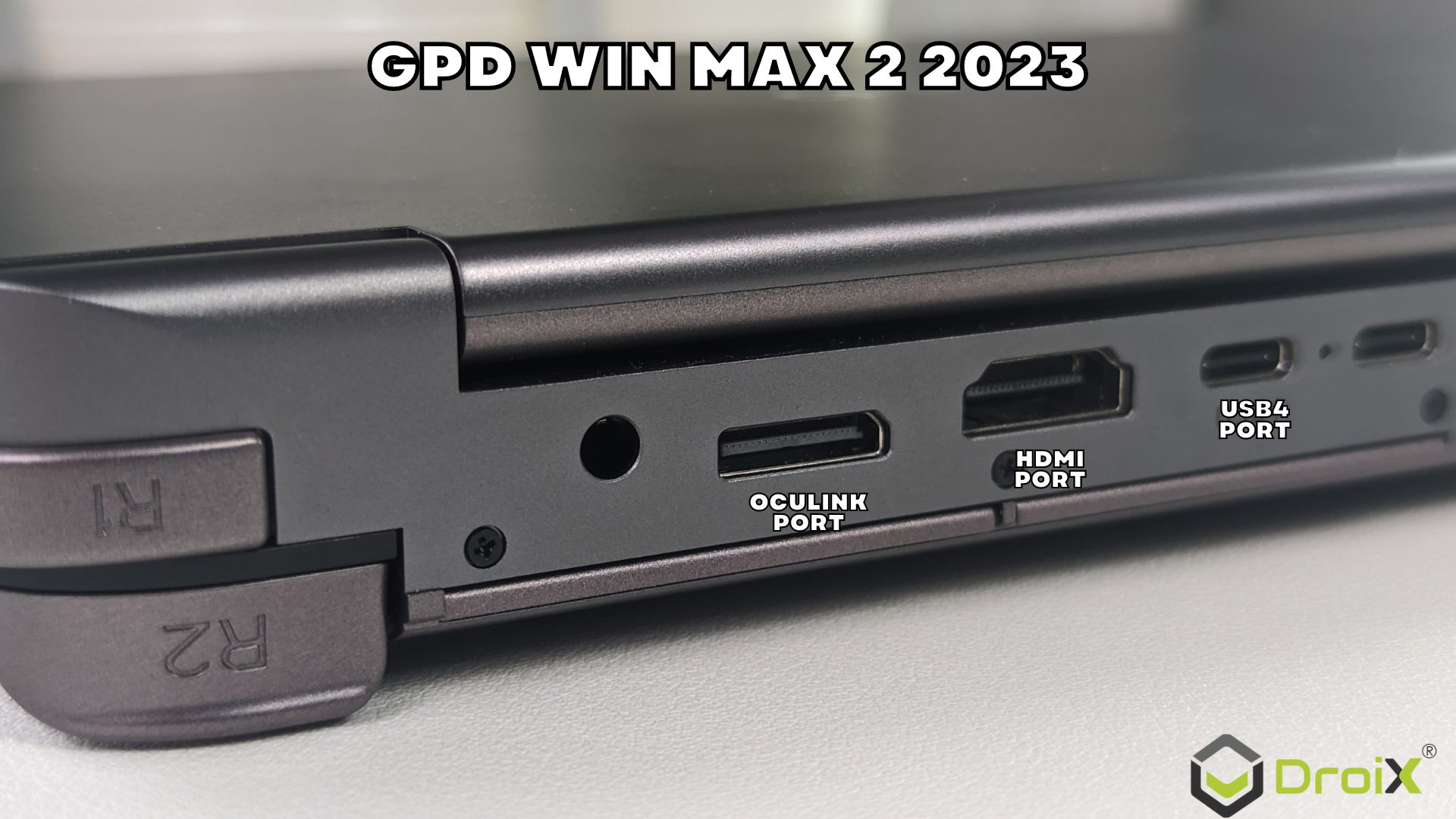
So even though OCuLink can still be a very strong choice, it is usually a device-specific strength, not a universal recommendation.
What is USB4?
USB4 is the most familiar and accessible of the three for many buyers because it fits into the wider modern USB-C device ecosystem. It is the connection type that makes the most sense when shoppers want an eGPU-capable setup that also feels closer to plug-and-play compared with more niche enthusiast paths.
It is also why USB4 remains such a big part of the conversation around compact PCs, mini laptops, and handheld gaming PCs. Many buyers are not trying to build a specialist workstation-style eGPU rig. They simply want a device that can be portable on its own and more powerful when docked.
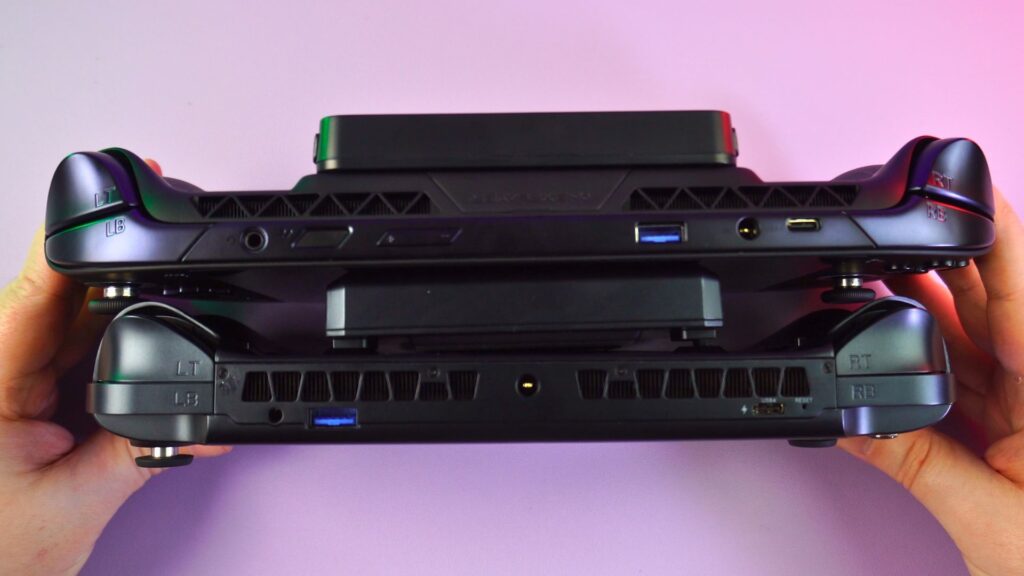
That is where USB4 still makes a lot of sense, especially across the wider handheld gaming systems, ultrabooks, and mini PCs.
What does USB4 v2.0 improve?
This is the part worth adding, because USB4 v2.0 makes the USB side of the comparison much more interesting than older USB4 discussions might suggest.
The headline improvement is more available bandwidth. In practical editorial terms, that matters because one of the biggest historic objections to USB-based eGPU setups has always been that they are convenient, but not always the most aggressive option for performance-minded users. USB4 v2.0 helps narrow that perception gap.
On current GPD material, the GPD G2 is one of the clearest examples of why this matters. The dock has USB4 v2.0 support and uses that as part of its case for treating the device as more than a basic dock. In other words, USB4 v2.0 is not just there for compatibility. It is part of the argument that a USB-based connection can be taken more seriously in a high-performance compact setup.
The most useful way to think about the improvements is this:
- more bandwidth headroom than older USB4 expectations
- a stronger case for modern dock-style external GPU setups
- better alignment with premium compact hardware that wants both convenience and performance
- less of a gap between “easy to use” and “worth using” in the eGPU conversation
It is also worth noting that USB4 v2.0 is backwards compatible with USB4. That matters because newer USB4 v2.0 hardware does not make the existing USB4 ecosystem instantly obsolete. Instead, it improves the ceiling while keeping the broader USB4 story easier to carry forward.
That does not automatically mean USB4 v2.0 replaces MCIO or makes OCuLink irrelevant. It does mean the USB path is becoming much harder to dismiss, especially in newer systems designed around it from the start.
The real difference: bandwidth vs compatibility vs convenience
The reason this debate never dies is simple. These three connections solve slightly different problems.
| CONNECTION | HIGHEST SPEED |
| MCIO | Up to 512Gbps (bidirectional) |
| OCuLink | Up to 64Gbps (bidirectional) |
| USB4 | Up to 40Gbps |
| USB4 v2.0 | Up to 80Gbps (bidirectional) Up to 120Gbps/40Gbps (asymmetrical) |
MCIO and OCuLink speeds depend on the exact PCIe generation and lane configuration, so these figures are best presented as the highest commonly quoted implementations in the current GPD / eGPU discussion, not universal fixed speeds for every device.
MCIO is about higher-end modular ambition
MCIO is the most exciting if you like the idea of a compact system plugging into something that behaves more like a serious expansion platform than a basic dock. That is why it feels so central to GPD's current direction.
OCuLink is about enthusiast focus
OCuLink remains attractive because it is often associated with more direct, performance-minded external GPU setups on supported hardware. But support is much narrower, and the overall experience is less universal. Learn more about it in our OCuLink overview here.
USB4 is about balance
USB4 is the most balanced option for modern buyers because it brings much wider device compatibility and a much easier story to explain. It may not be the most exotic or enthusiast-purist option, but it is often the most practical one.
USB4 v2.0 is about making USB4 more serious
USB4 v2.0 strengthens the USB4 argument by pushing bandwidth further and making modern compact eGPU ecosystems feel less like a compromise than older USB-only thinking might imply.
Which connection is best for most people?
For most buyers today, USB4 is still the best overall answer. That is not because it is always the most exciting or the most bandwidth-focused option. It is because it is the easiest connection to build around if you care about:
- broader device compatibility
- simpler buying decisions
- easier dock-style use cases
- better odds of working across laptops, handhelds, and compact PCs without needing a very niche hardware path
If someone asks which external GPU connection they should prioritise without already owning an OCuLink or MCIO-based system, USB4 is usually the safest recommendation.
Which connection is best for enthusiasts?
If you already own a device with OCuLink and you specifically bought it for enthusiast external GPU use, OCuLink may still be the most satisfying answer for that setup.
That is the important nuance people sometimes miss. USB4 may be the best answer for the broad market, but that does not automatically make it the best answer for every individual enthusiast build.
On the right device, OCuLink is still highly relevant, especially when the buyer values a more dedicated external graphics path over broad mainstream convenience.
Which connection is best for the future?
If the question is about where compact modular systems seem to be heading, MCIO is the connection to watch most closely.
That does not mean MCIO is automatically the right answer for every buyer today. It is still the least widespread of the three in the mainstream buying conversation. But it does mean MCIO currently looks like the most ambitious path for companies trying to treat eGPU expansion as a real long-term platform idea rather than a side feature.
That is exactly why the GPD BOX and GPD G2 matter. Together, they make MCIO feel less theoretical and more like a genuine ecosystem direction.
Where GPD fits into this conversation
GPD is one of the clearest examples of why this topic matters now. The company is no longer just making handheld gaming PCs and mini laptops in isolation. With the GPD G2 and GPD BOX, it is making a stronger case that compact systems can be part of a more modular performance stack.
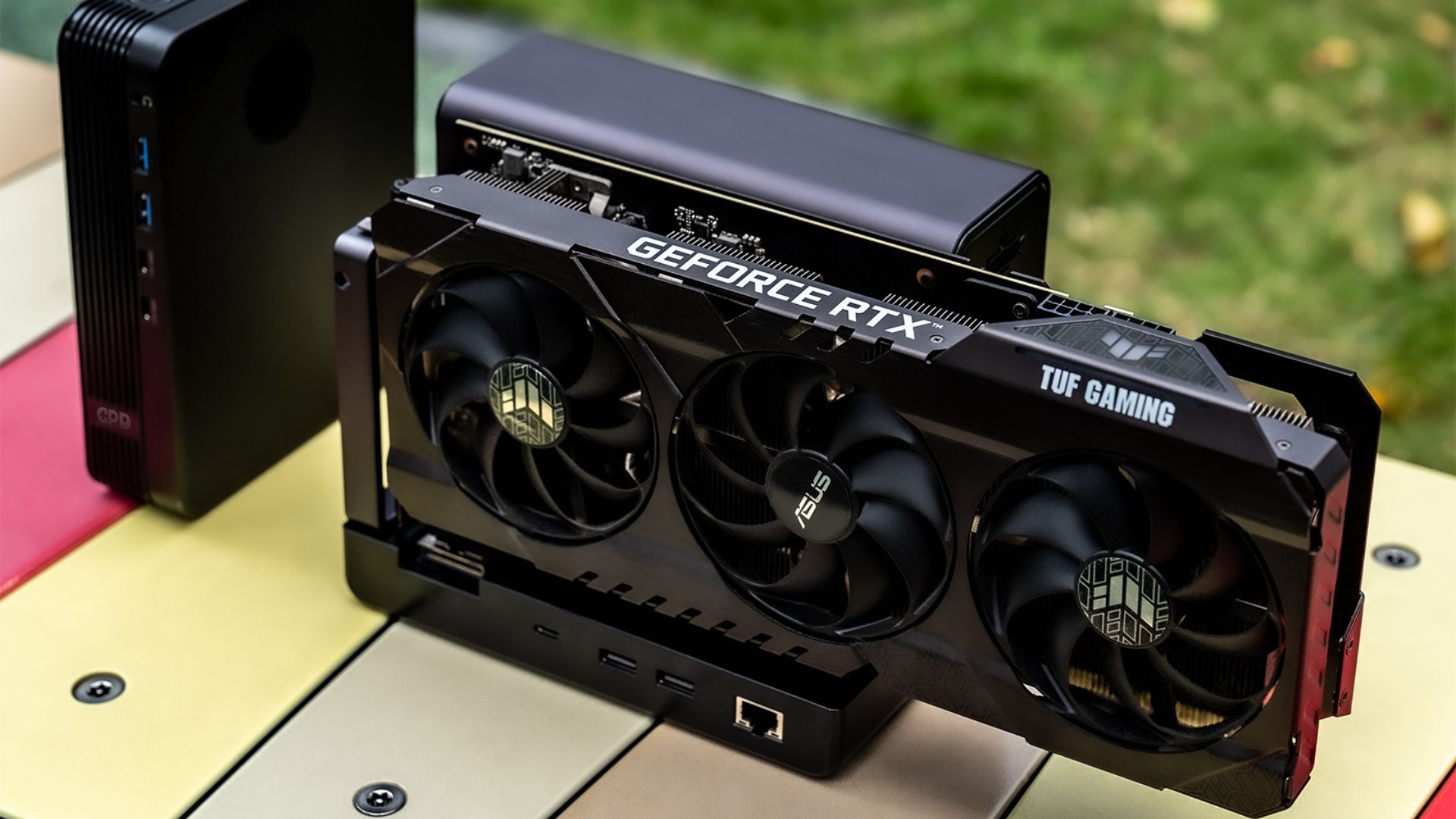
That gives buyers three useful ways to think about the current landscape:
- existing enthusiast devices may still make OCuLink highly relevant
- many current portable systems still make USB4 the easiest recommendation
- newer modular GPD hardware makes MCIO much more important than it used to be
If you are exploring the wider GPD brand lineup, this is exactly the kind of shift worth paying attention to.
Is MCIO better than OCuLink?
In terms of current excitement and long-term platform potential, MCIO looks stronger. In terms of what many enthusiasts can actually use right now on existing supported hardware, OCuLink is still very relevant if you already have hardware supporting it.
So the better way to frame it is this:
- MCIO looks better as a forward-looking ecosystem connection
- OCuLink still looks better than being ignored just because something newer exists
That is especially true for buyers who already own devices where OCuLink is a known, practical part of the eGPU story.
Is USB4 better than OCuLink?
For mainstream buying advice, yes, usually. For a specific enthusiast device that was chosen precisely because it supports OCuLink well, not necessarily. That is the pattern across this whole comparison. USB4 wins more often as a buying recommendation, while OCuLink wins more often inside a narrower niche.
Is USB4 better than MCIO?
For general accessibility, yes. For future modular ambition, probably not. USB4 is still the connection more buyers can realistically use today, and that matters a lot. But if companies like GPD keep building around MCIO, USB4 may increasingly look like the convenient mainstream option rather than the most ambitious performance-focused one.
What should buyers actually choose?
Here is the simplest version.
Choose USB4 if:
- you want the safest all-round recommendation
- you care about wider compatibility
- you want a more mainstream buying path
- you are comparing lots of handhelds, laptops, and mini PCs
Choose OCuLink if:
- you already own a device designed around it
- you are building a more enthusiast-focused eGPU setup
- you are comfortable with narrower compatibility and more device-specific planning
Choose MCIO if:
- you are buying into a newer modular ecosystem
- you are specifically interested in emerging compact desktop plus eGPU designs
- you want to follow where high-bandwidth small-form-factor expansion may be heading next
The best answer depends on the system, not just the port
The final thing worth saying is that buyers often over-focus on the connector name and under-focus on the whole platform.
A great eGPU experience depends on more than whether the label says MCIO, OCuLink, or USB4. It also depends on:
- host device design
- firmware and driver support
- operating system compatibility
- actual graphics card pairing
- cooling, power, and workload expectations
That is why a weaker-looking standard on the right system can still be a better real-world experience than a more exciting-looking standard on the wrong one.
Final verdict
If you want the broadest and easiest answer, USB4 is still the best external GPU connection for most people today. If you already own a device with strong OCuLink support, OCuLink is still one of the best enthusiast eGPU options.
If you want to understand where compact modular systems may be heading next, MCIO is the most important connection to watch, especially in products such as the GPD G2 and GPD BOX.
So no, there is not one universal winner. But there is a clear practical ranking by use case:
- Best for most buyers: USB4
- Best for enthusiast legacy and niche setups: OCuLink
- Best for future-facing modular potential: MCIO
FAQ
Which is better for eGPU, MCIO, OCuLink, or USB4?
There is no single winner for everyone. USB4 is usually the best for mainstream compatibility and convenience, OCuLink remains excellent for specific enthusiast devices that support it well, and MCIO looks the most ambitious for newer modular compact systems.
Is USB4 the best external GPU connection for most people?
Yes, usually. USB4 is the safest recommendation for most buyers because it is more broadly available and easier to build around than MCIO or OCuLink.
Does USB4 v2.0 make a real difference for eGPU setups?
Yes, potentially. USB4 v2.0 improves the bandwidth story and makes USB-based eGPU designs more convincing, especially in newer hardware that is built to take proper advantage of it.
Is OCuLink still worth it in 2026?
Yes. OCuLink is still worth caring about if you already own a device built around it or want a more enthusiast-focused eGPU setup on supported hardware.
Why is MCIO getting more attention now?
MCIO is getting more attention because companies such as GPD are using it to pitch more serious modular compact systems, especially around products like the GPD BOX and GPD G2.
Should I buy a device just because it has MCIO?
Not automatically. MCIO is exciting, but the full platform still matters. You should look at the device, software support, expansion goals, and the overall ecosystem, not just the connector.